EB
KB
We carry out research work where the fields of social design, architecture, and documentary practice meet. Our experiences and practices converge around questions of infrastructures, whether technical or natural. Infrastructures as commons, often symptomatic of domination on natural elements, territorial asymmetry, linear economy, and invisible work. As a collective, we share a common interest into questioning weak or muted signals that we connect with history and large-scale issues.
Ghost hectares
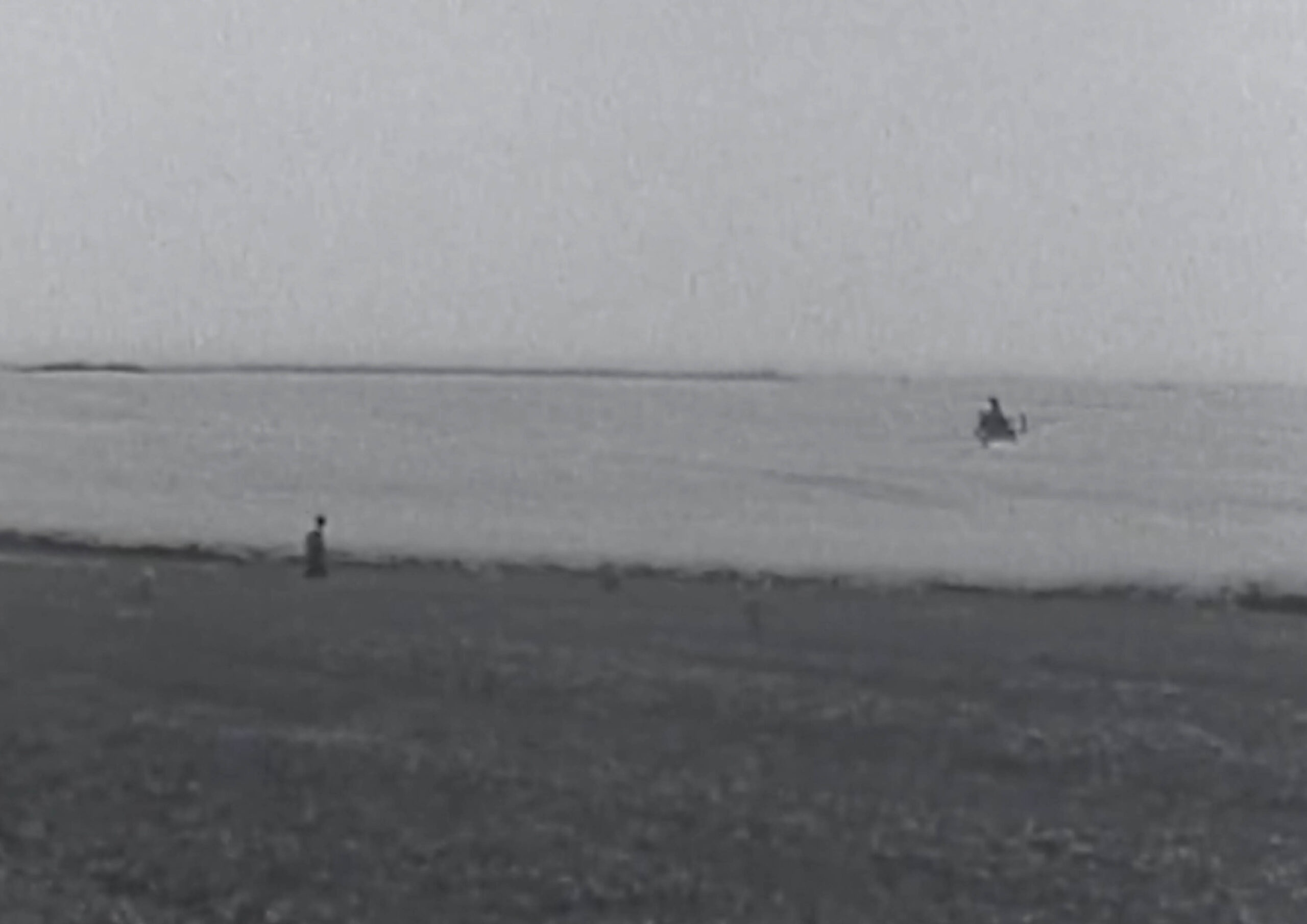
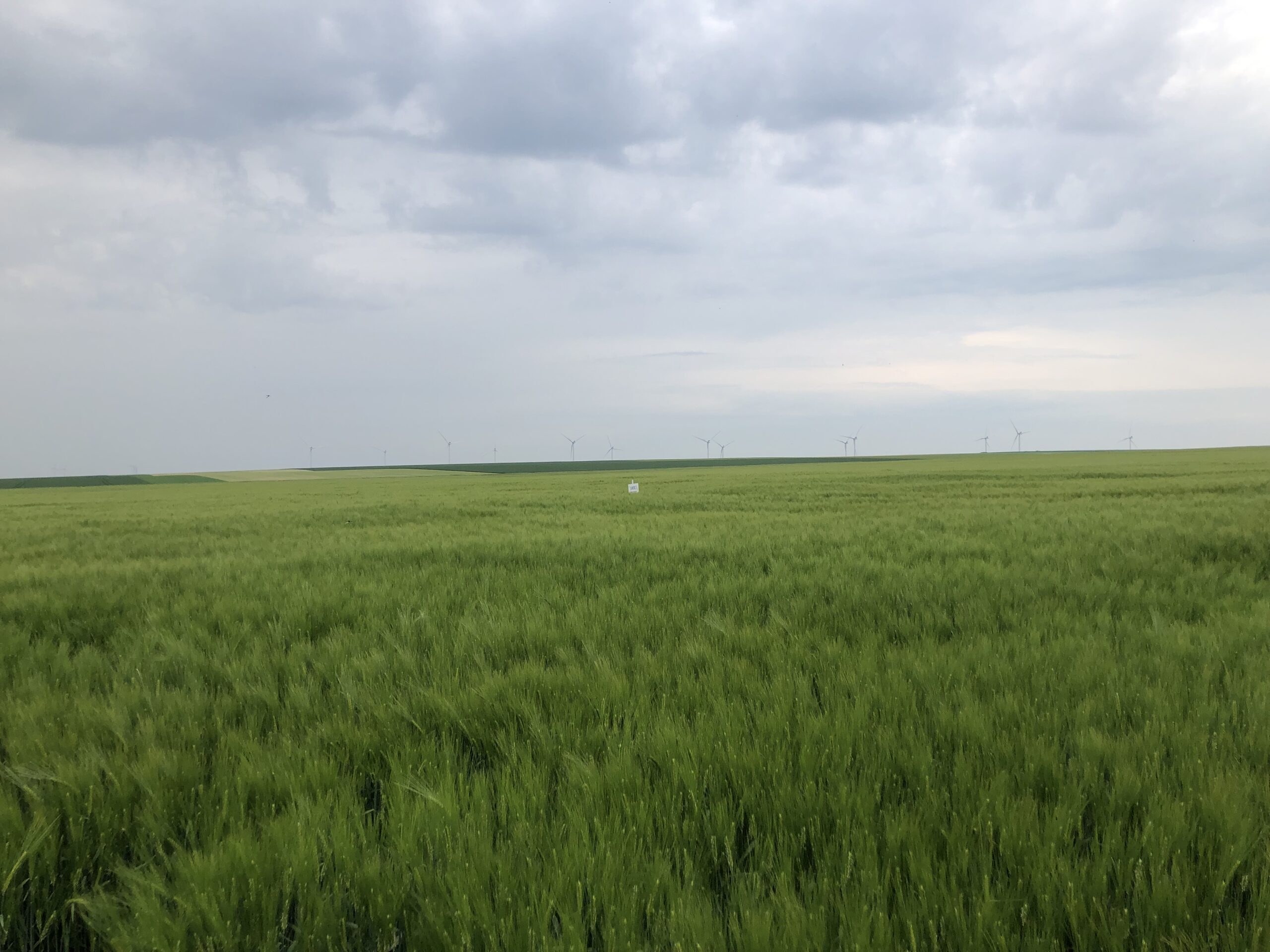
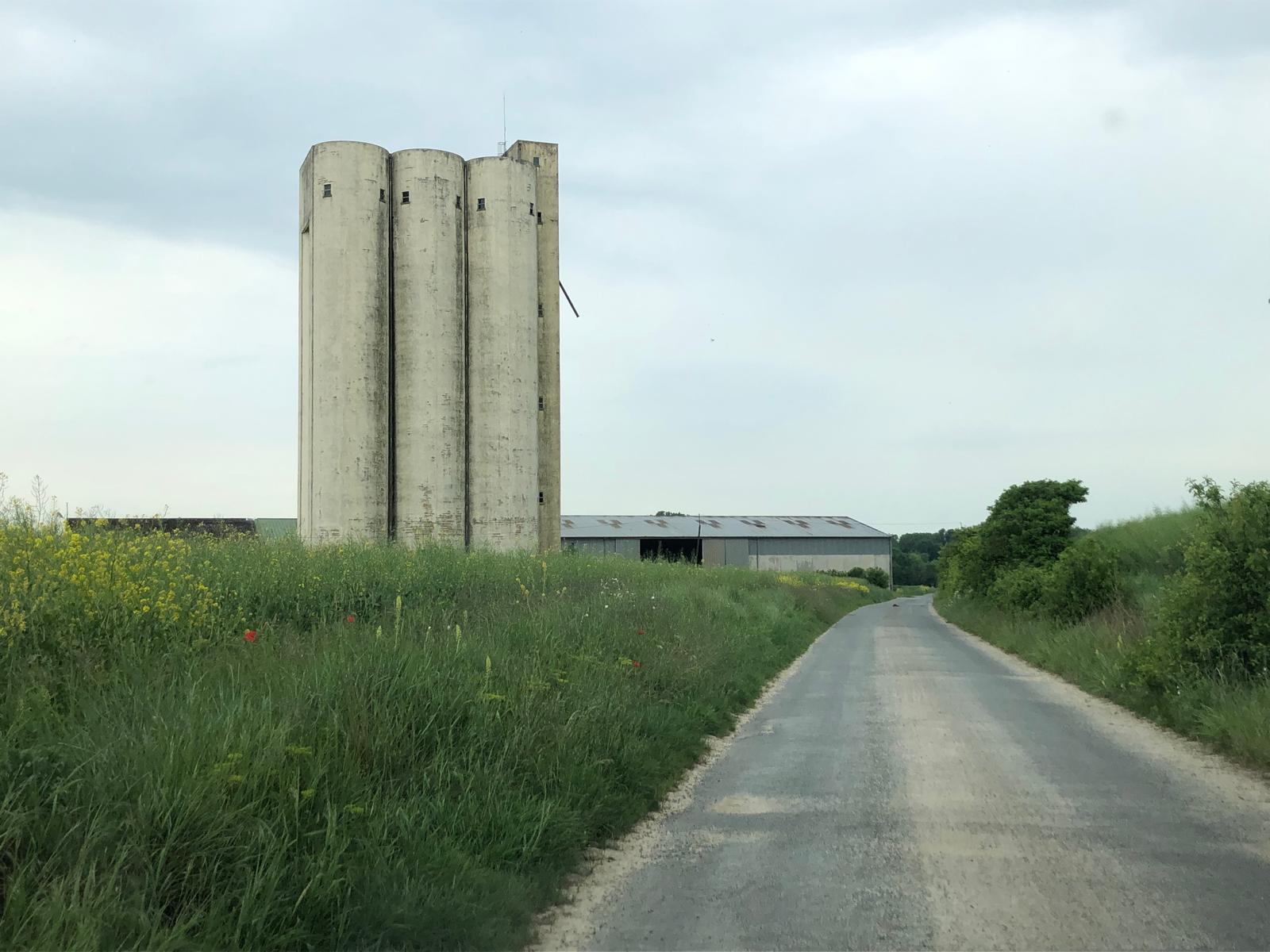
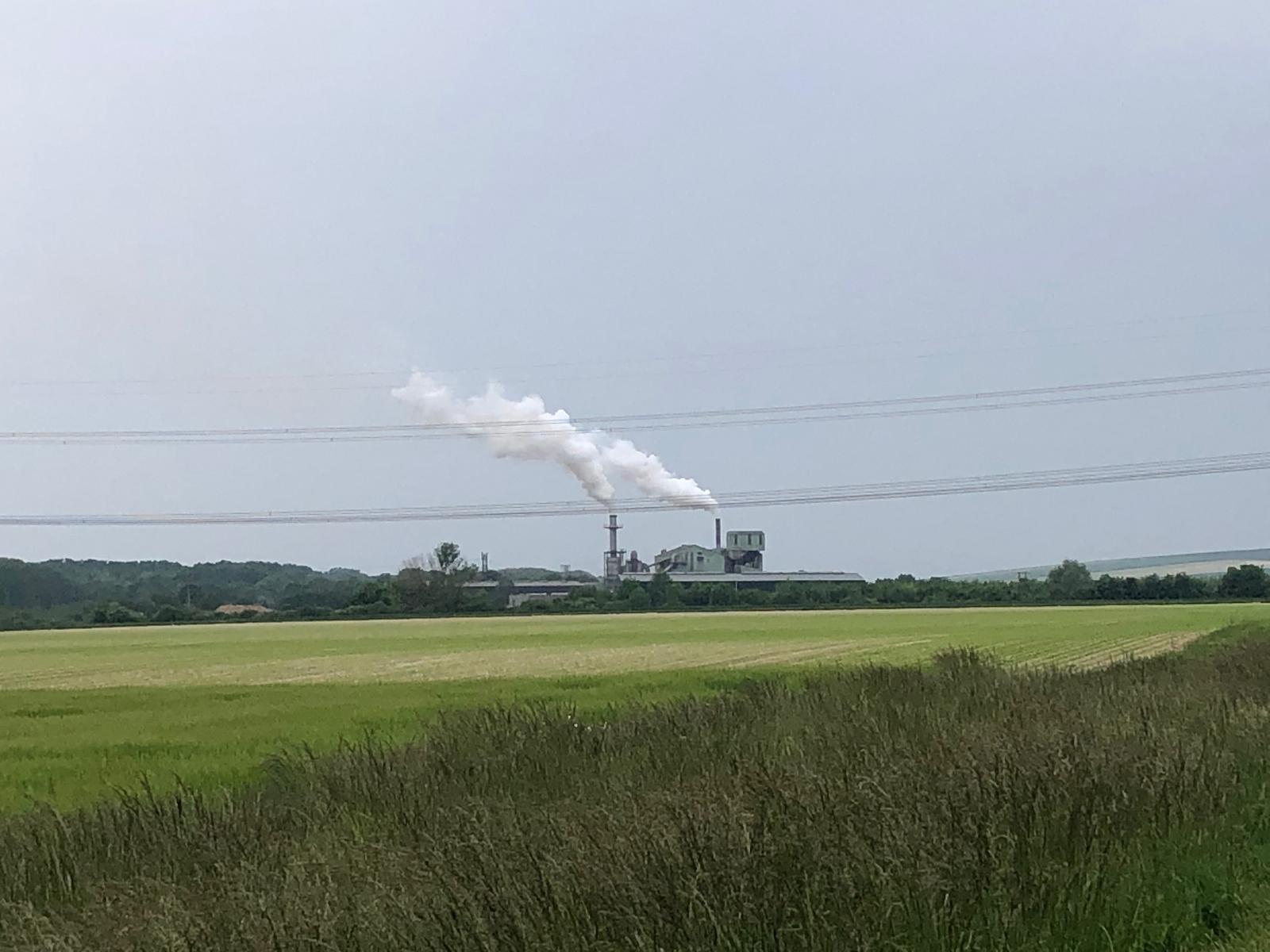
Ongoing research on invisible memory and polluted soil in the northeast of France.
10 m2
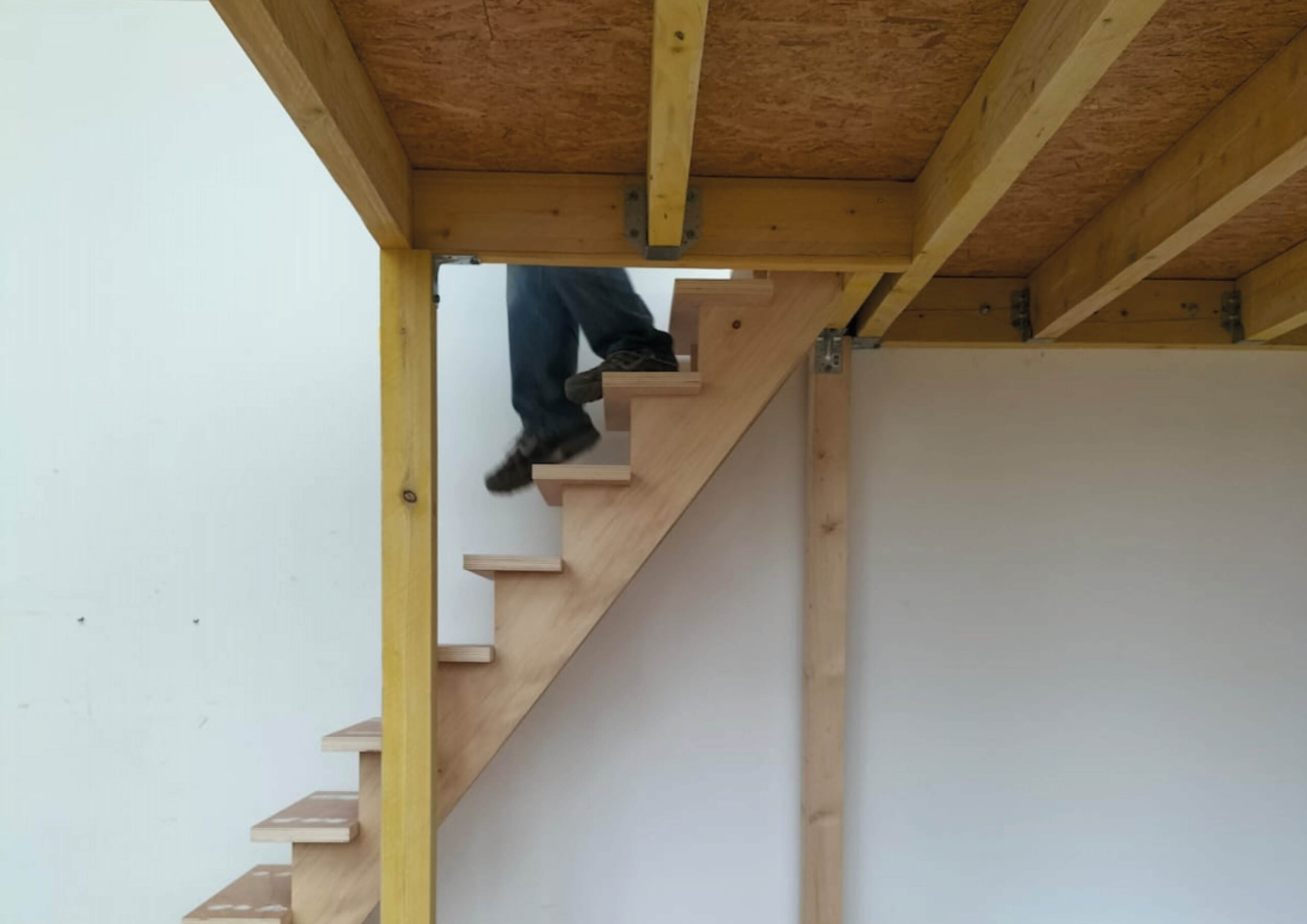
Drawings for a mezzanine
Furniture
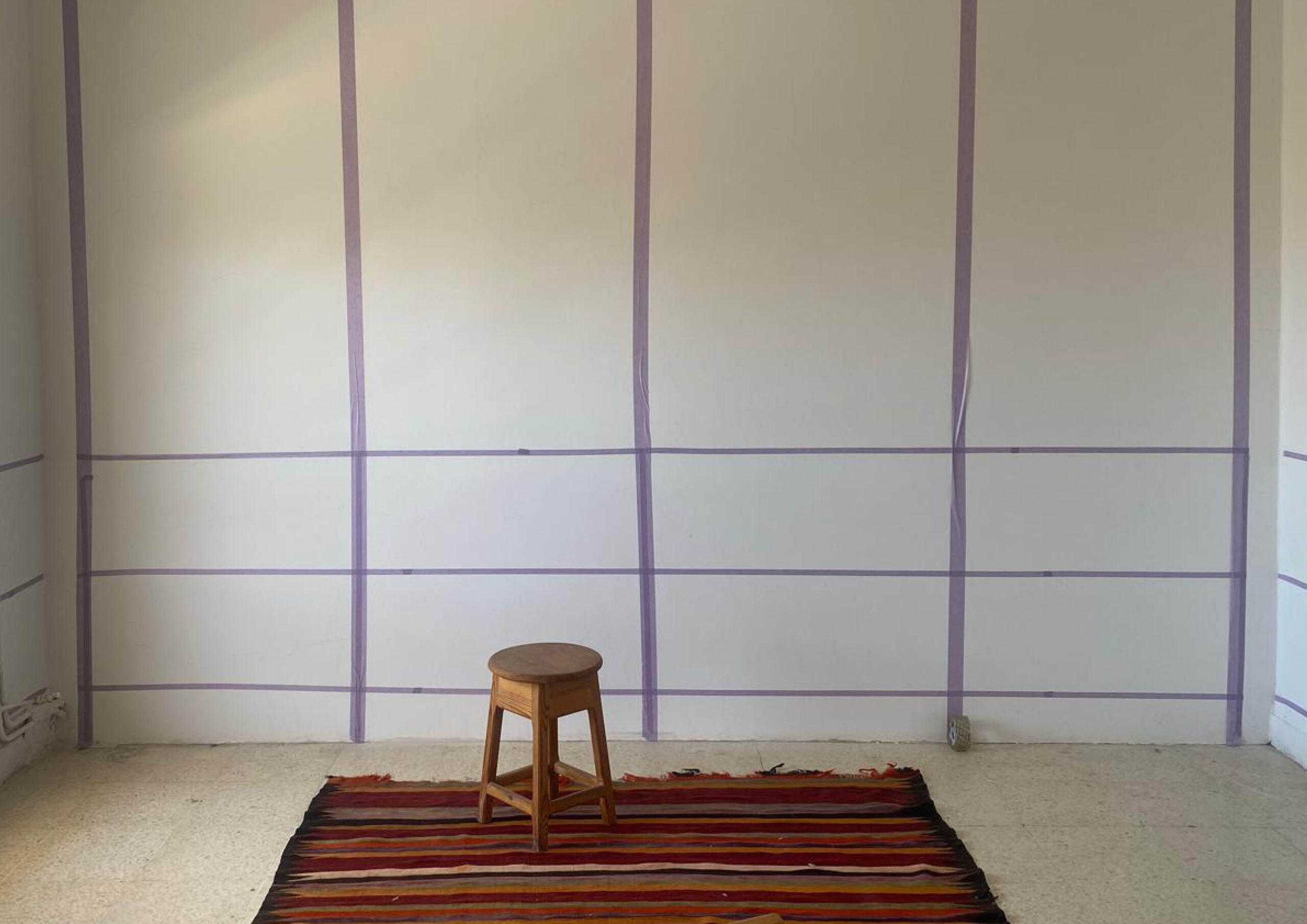
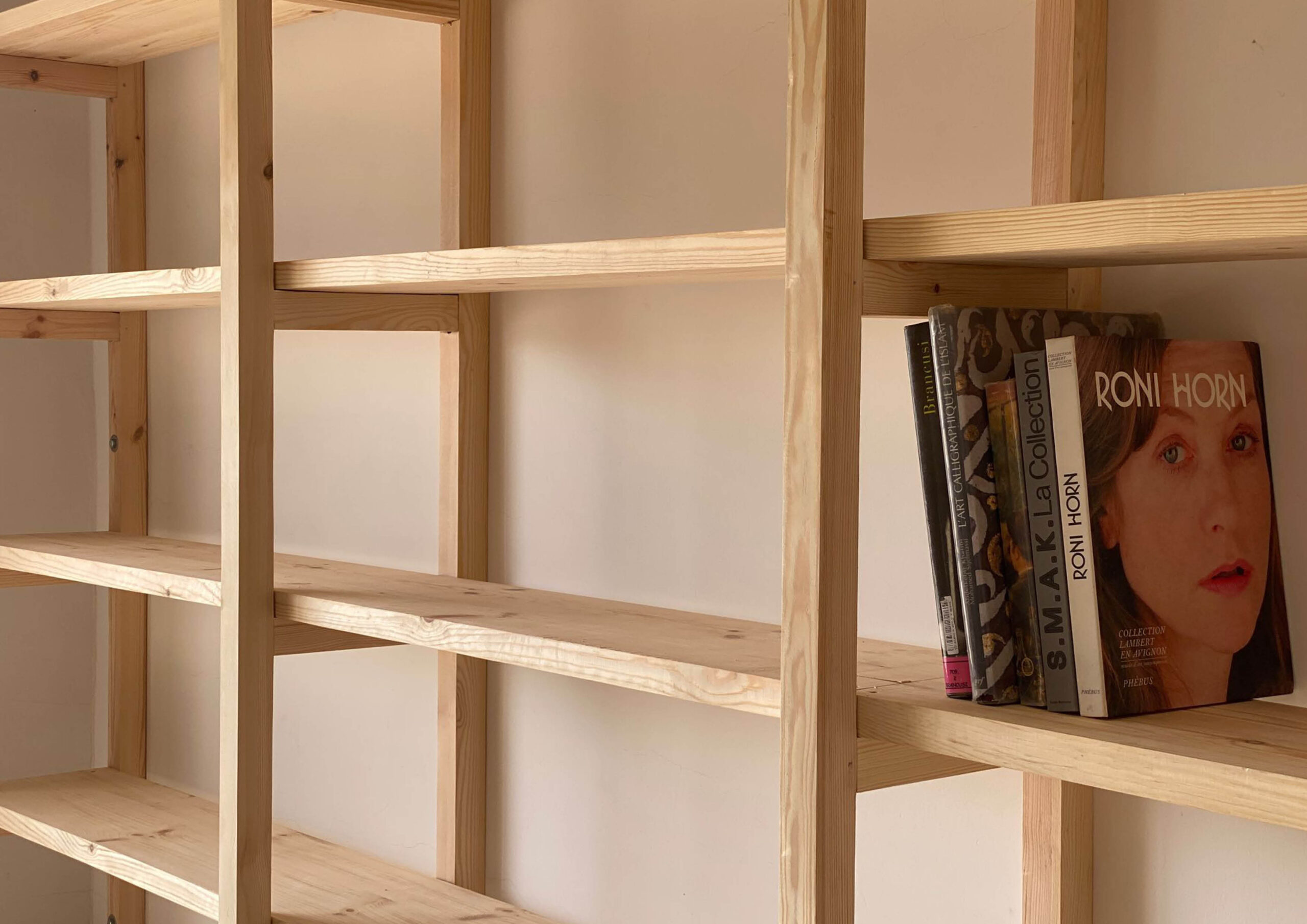
Drawings for a library furniture
Contrefaçons
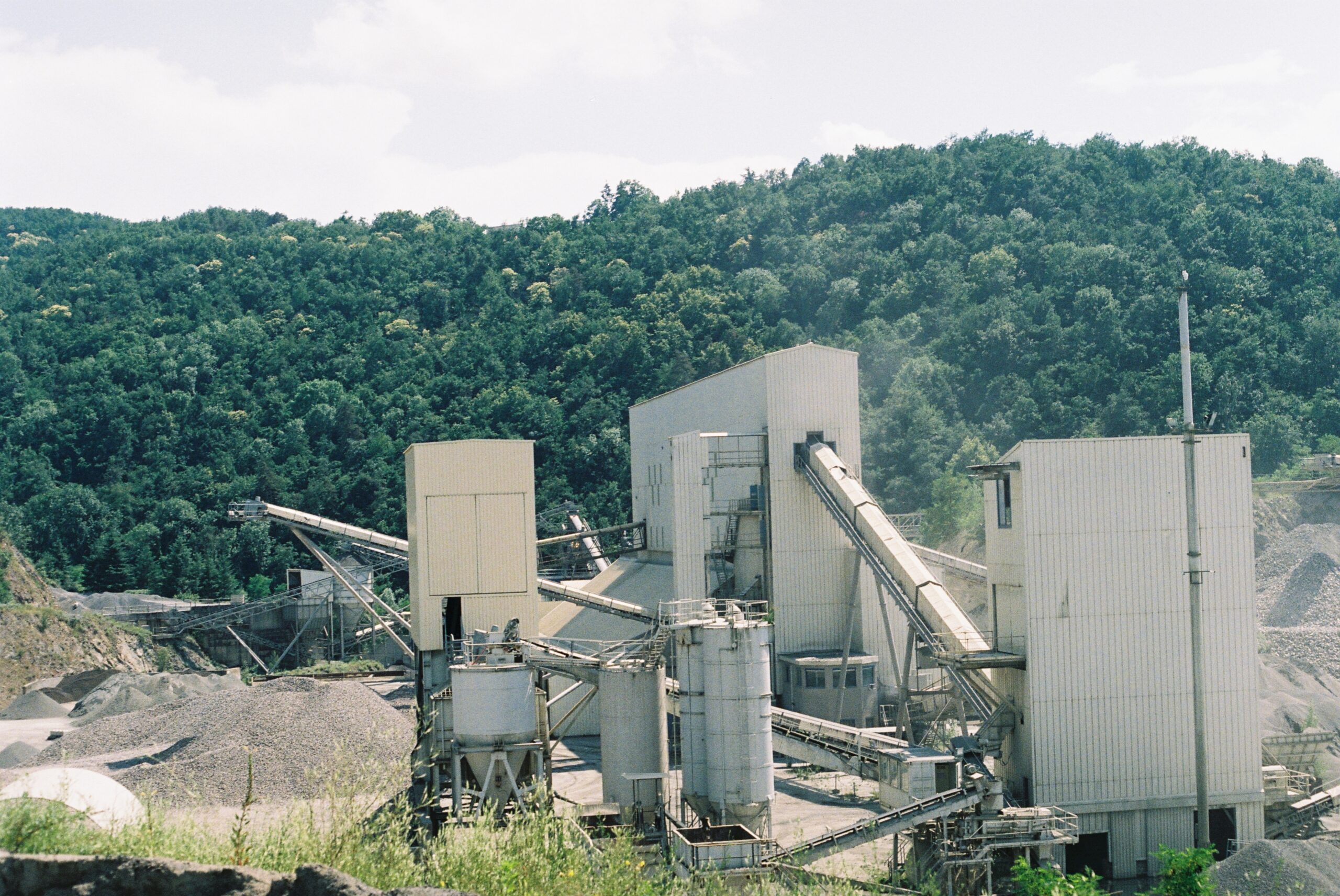
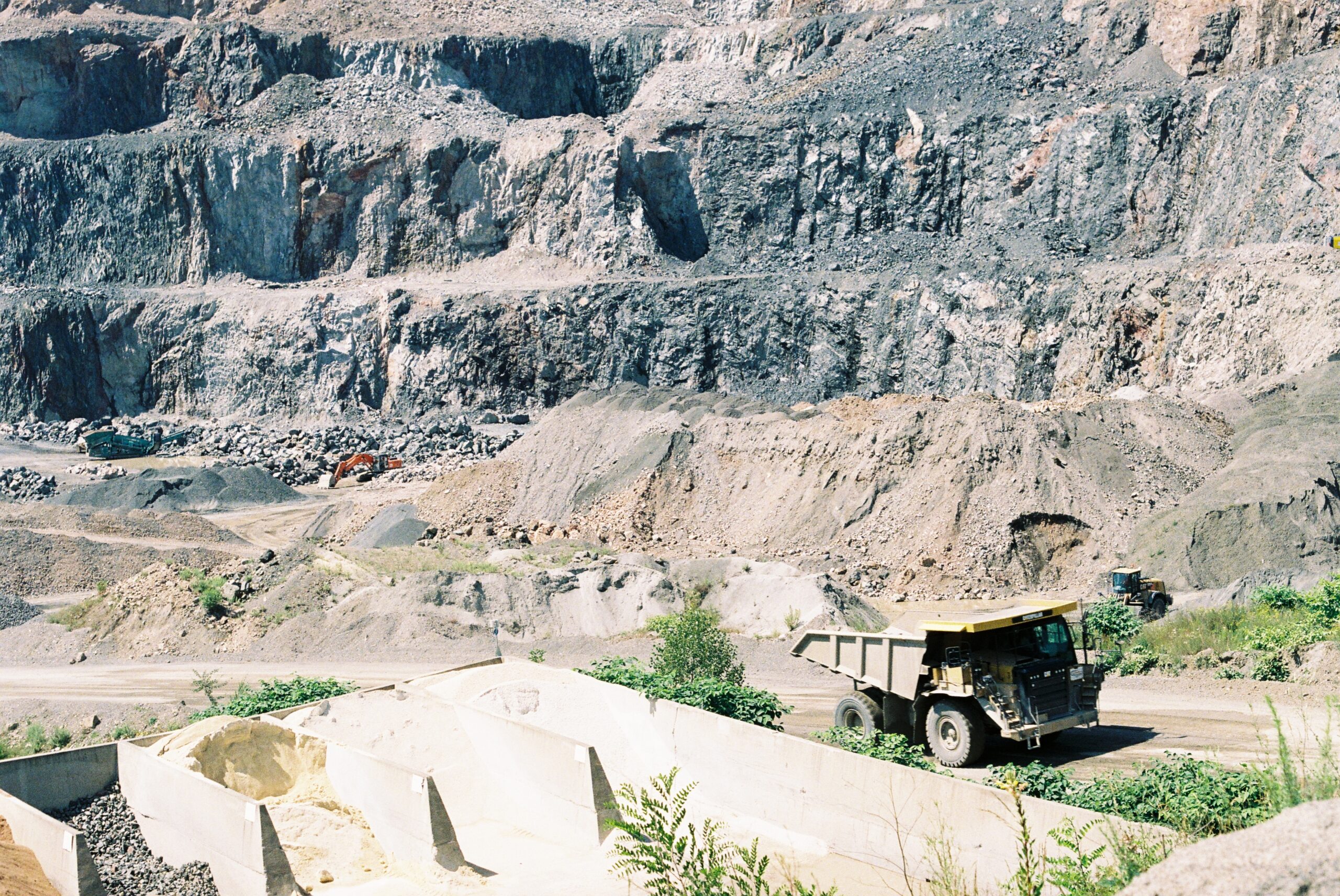
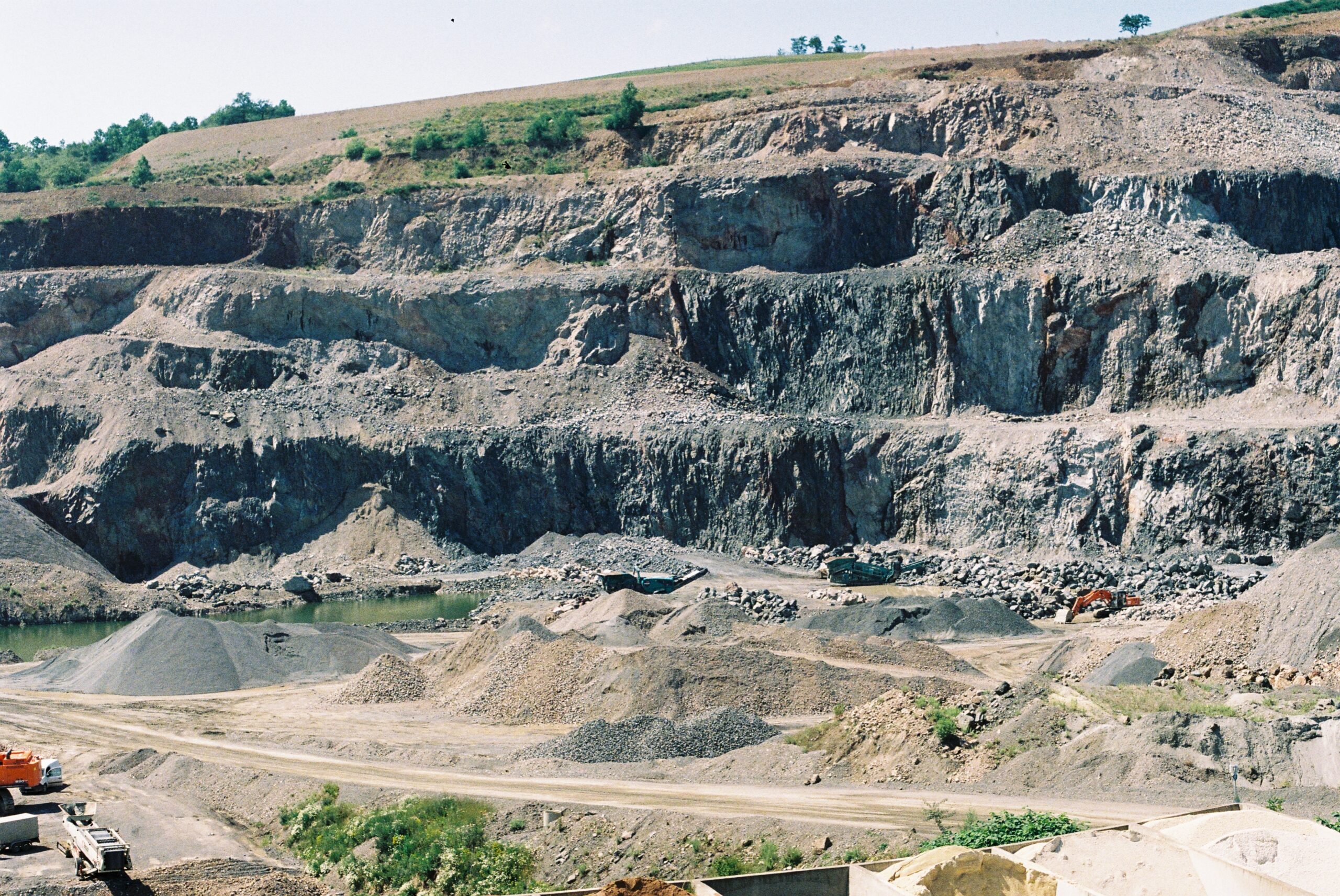
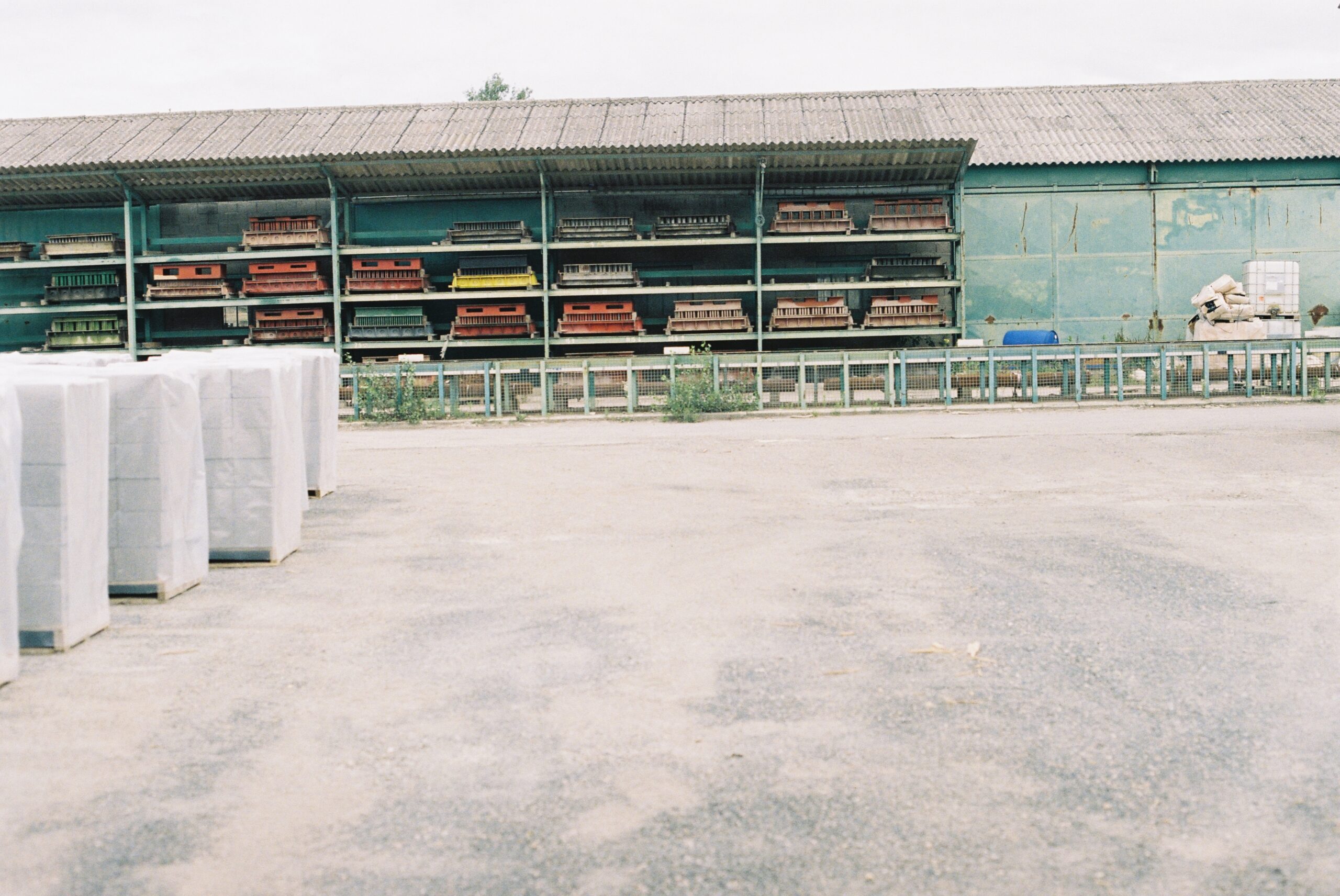
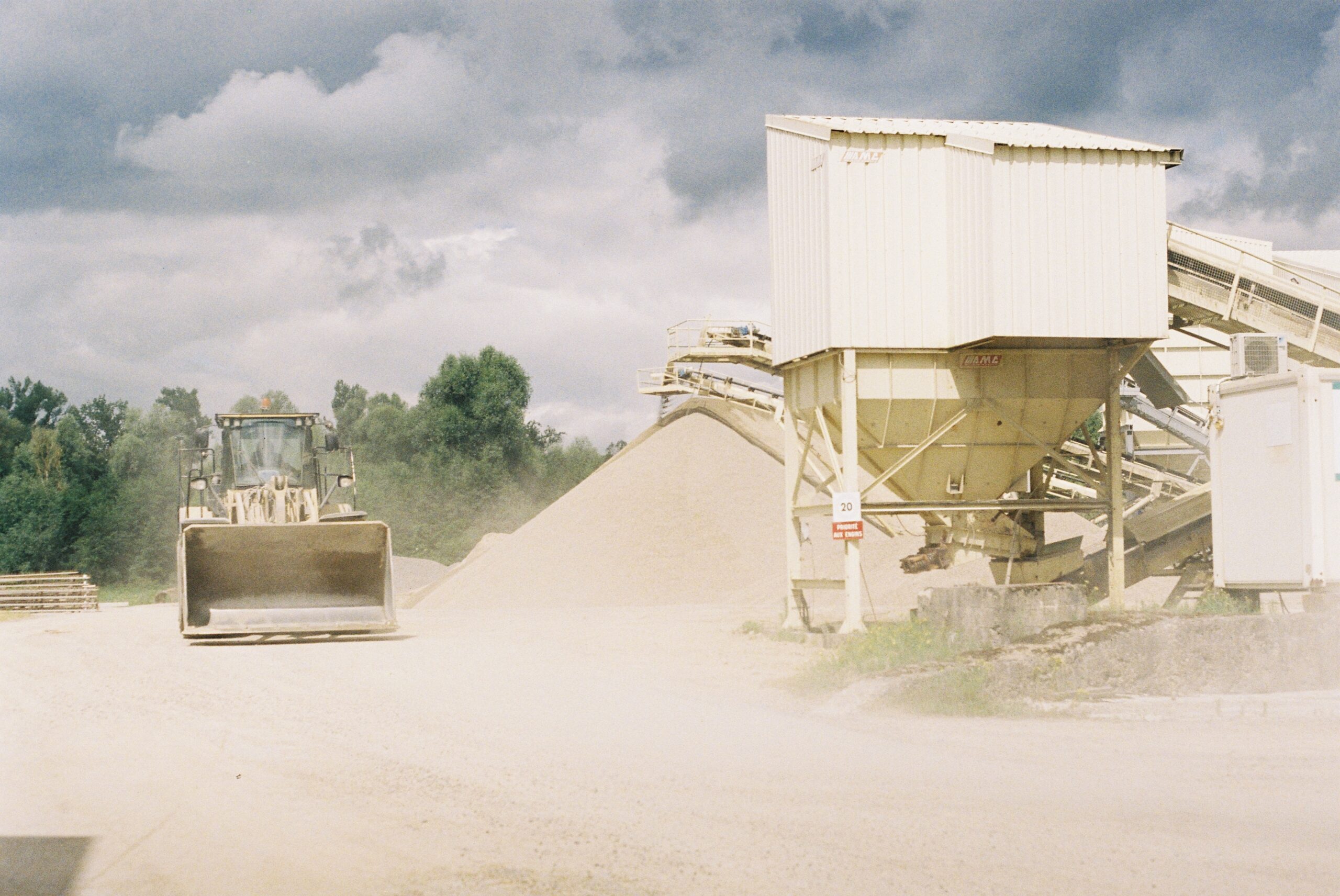
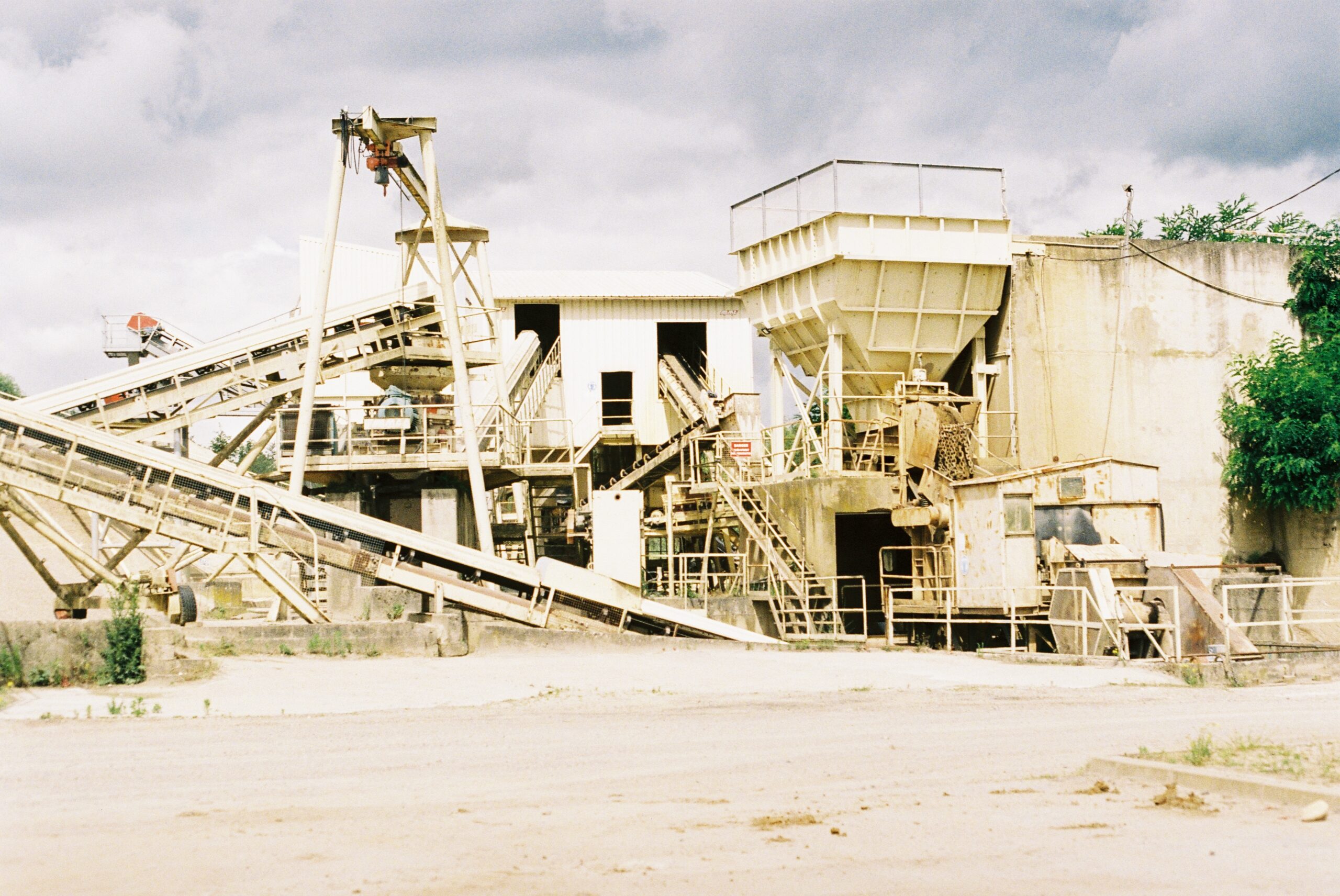
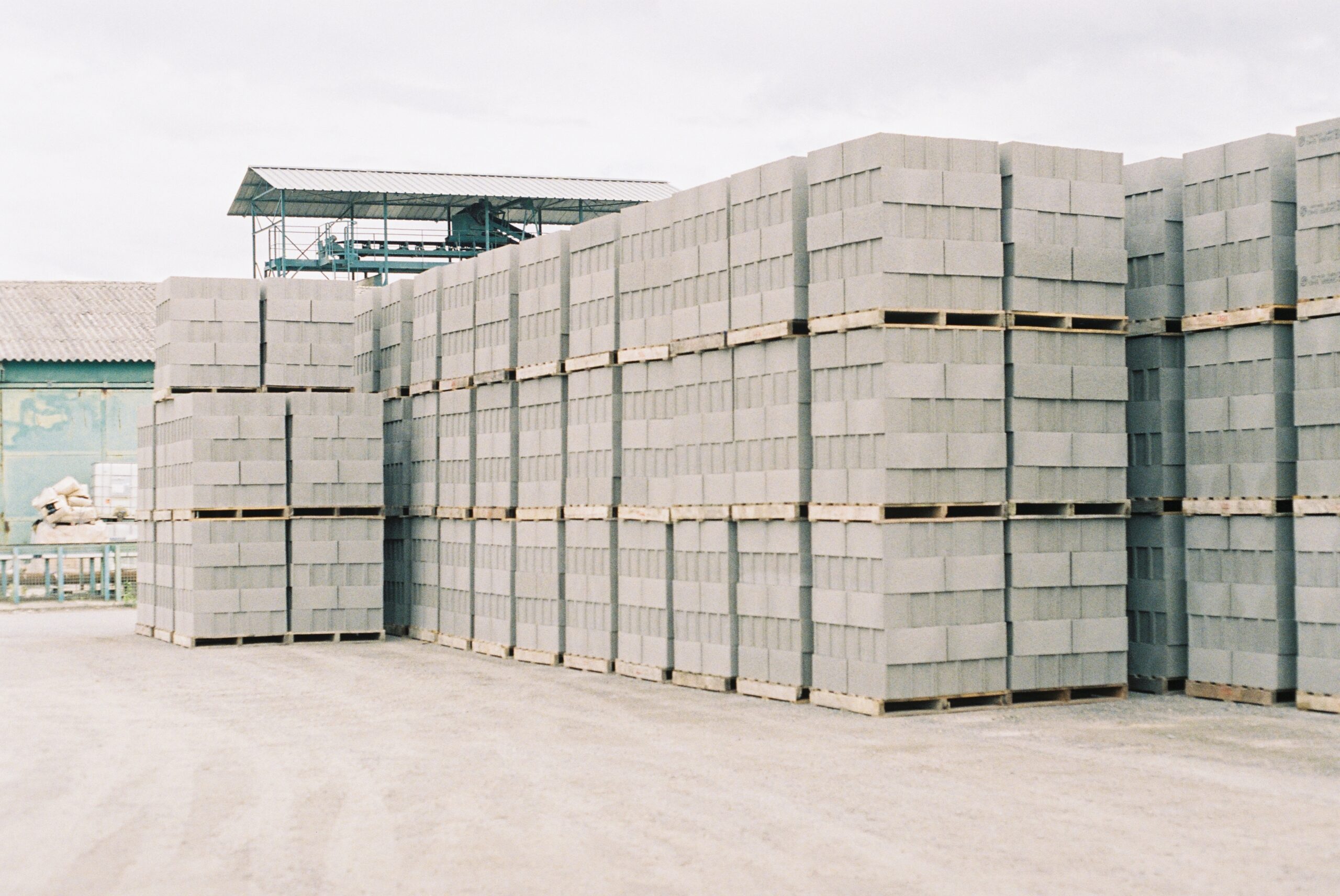
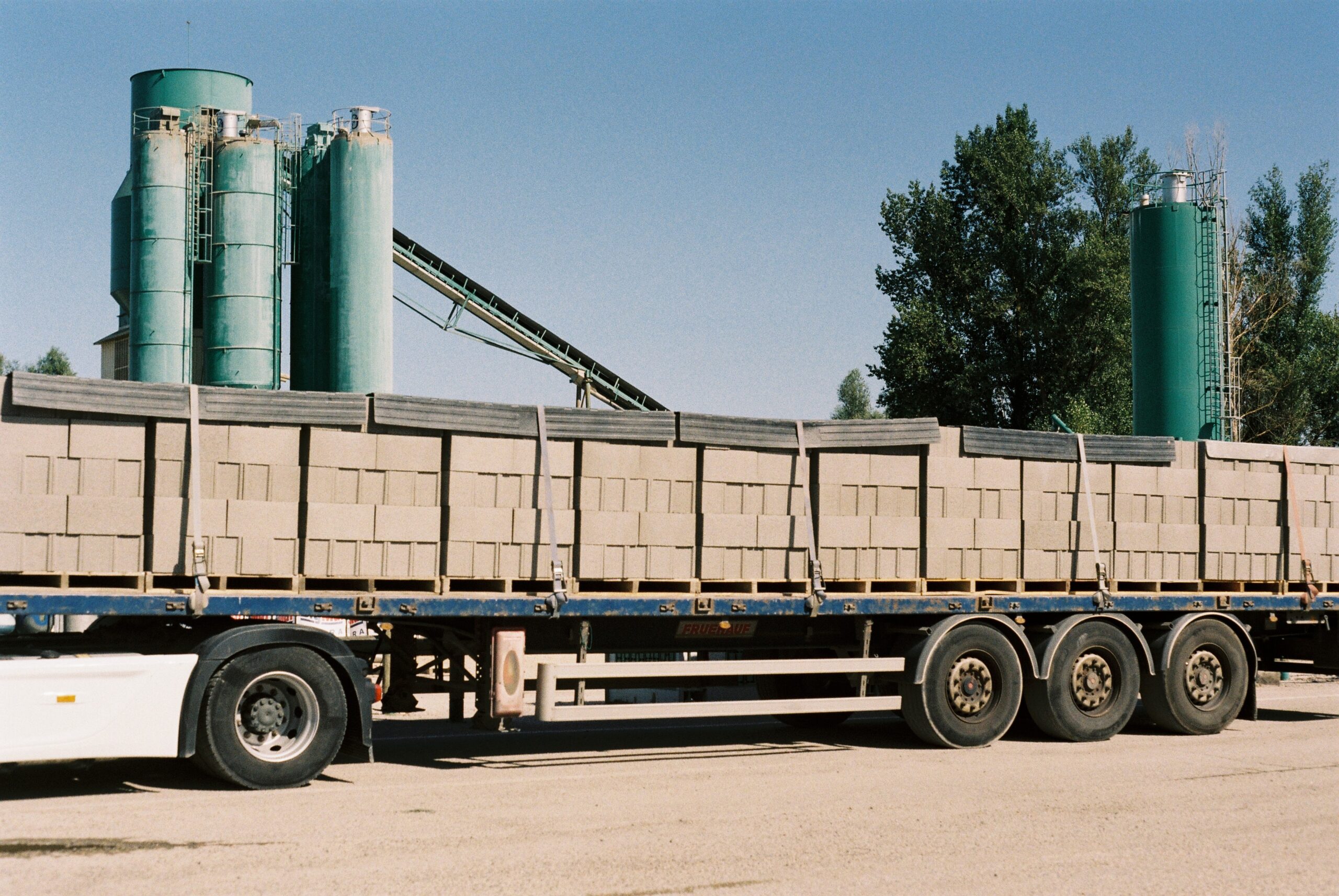
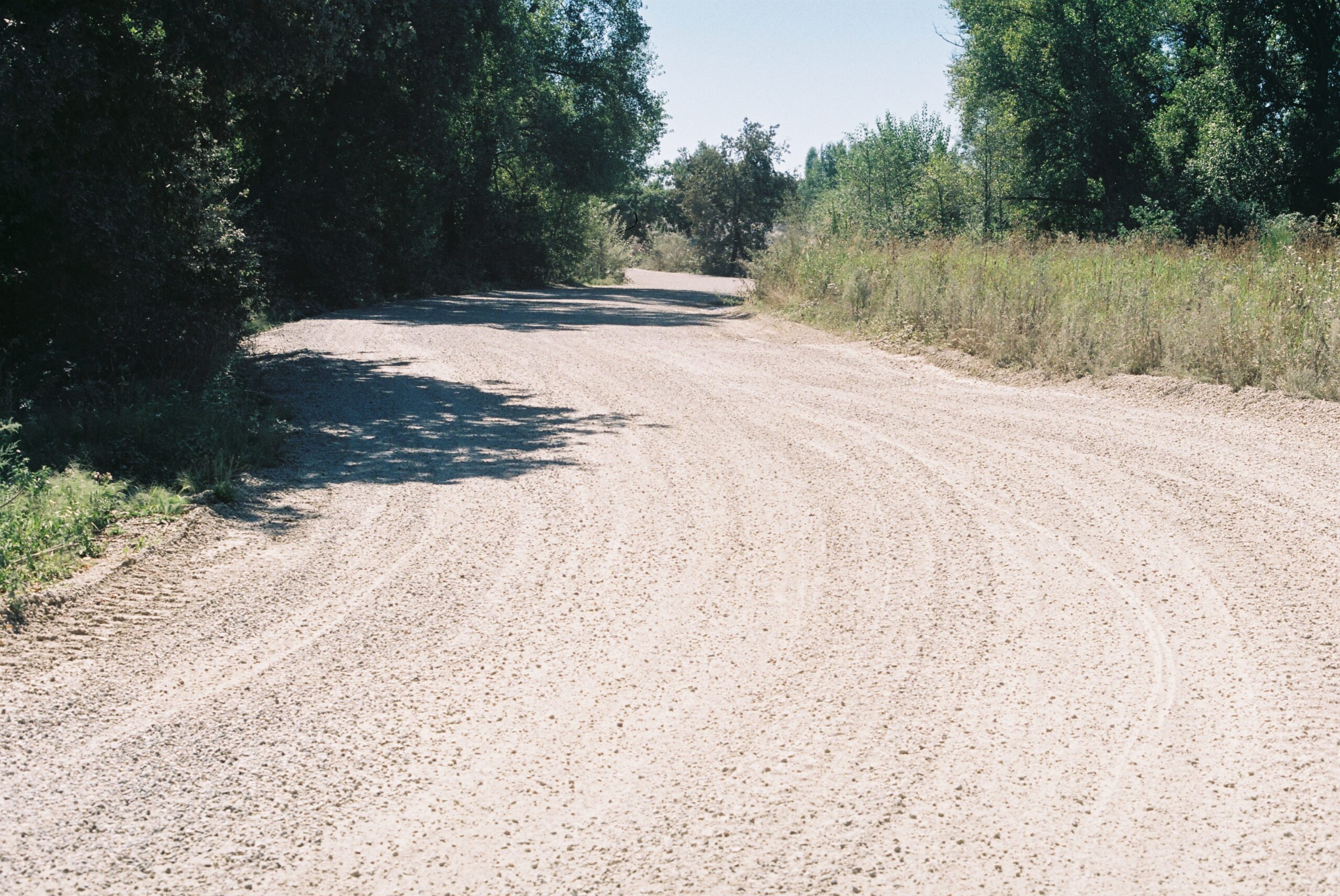
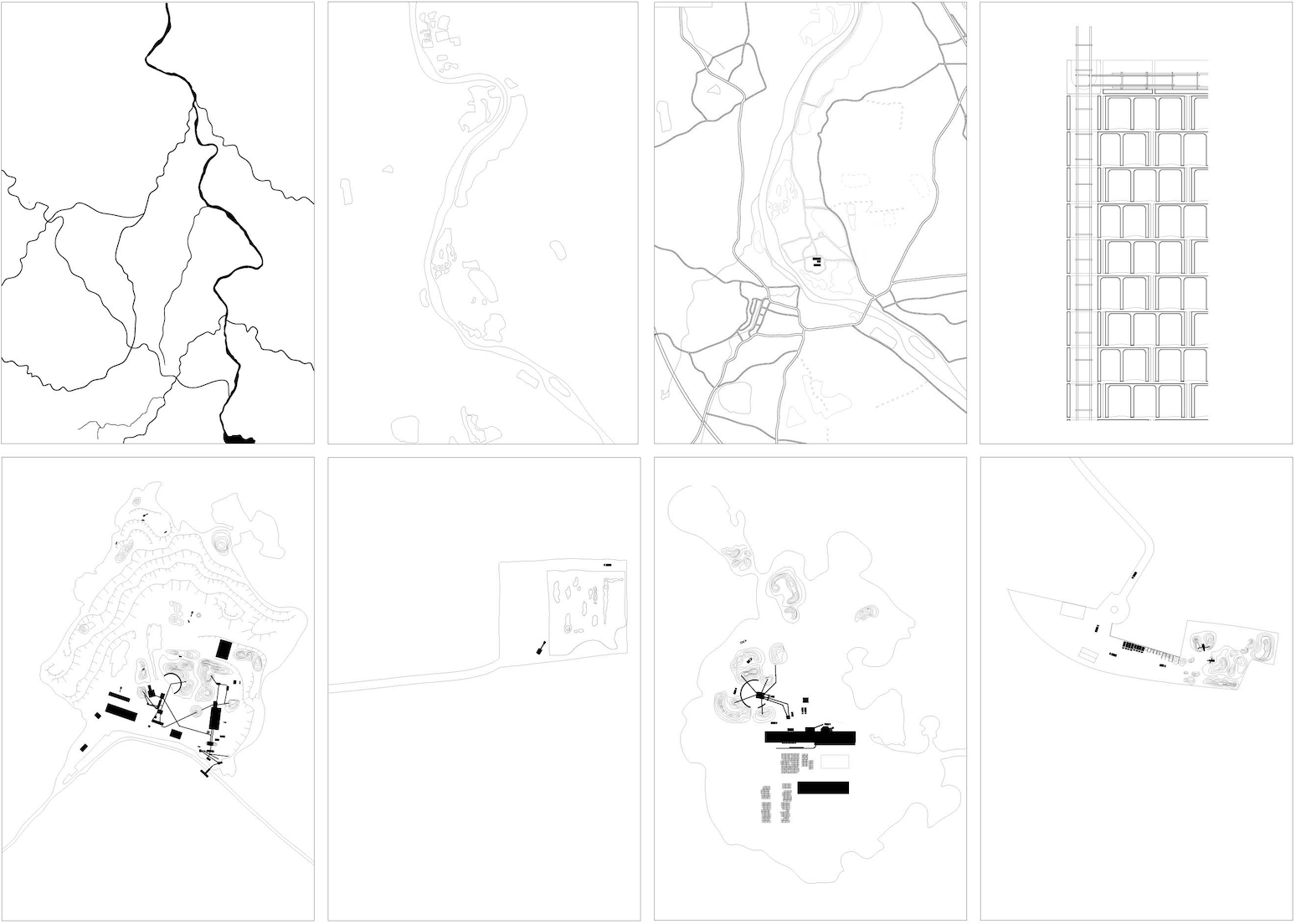
This work questions the forms of the landscape by looking at the territory (the Forez Plain) through the prism of the economy of a material: the manufactured concrete block. Redrawing each element of the production-to-implementation cycle makes it possible to understand the components of this productive landscape as architectural elements. This material is produced to last about 60 years. Here, what will the ruins of tomorrow look like? The architectural project is conceived as a device for understanding an environment.
Forms of property
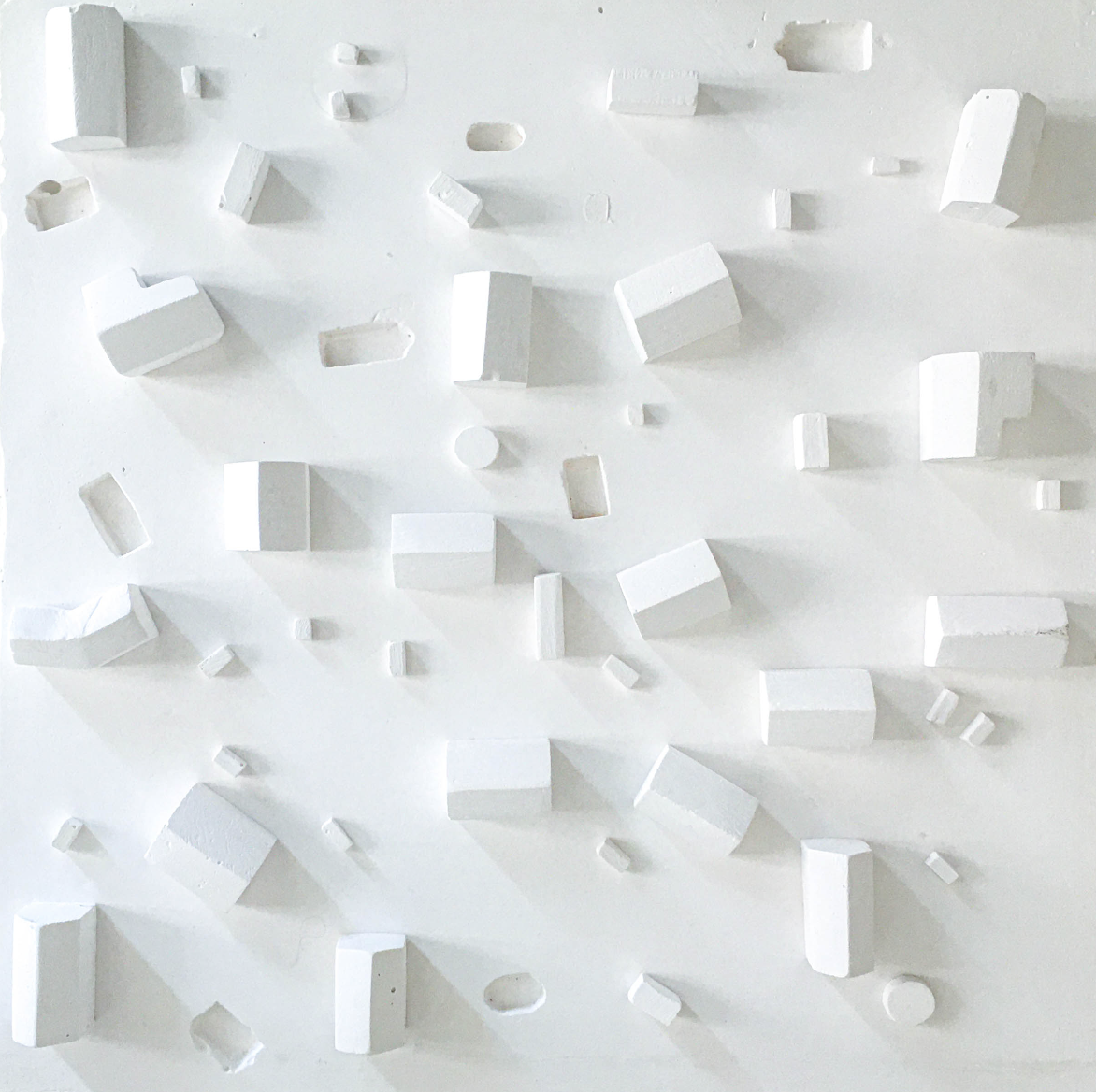
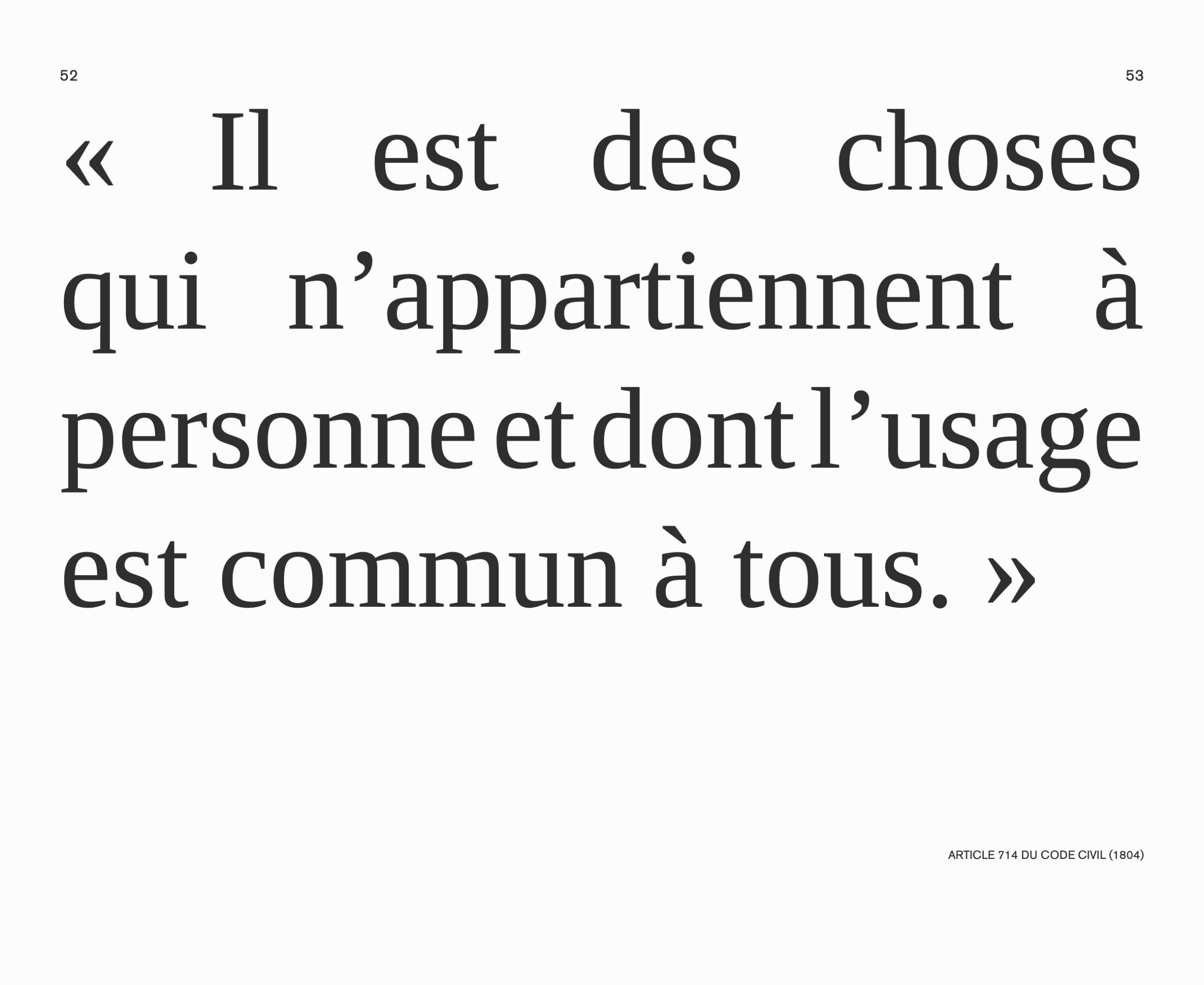
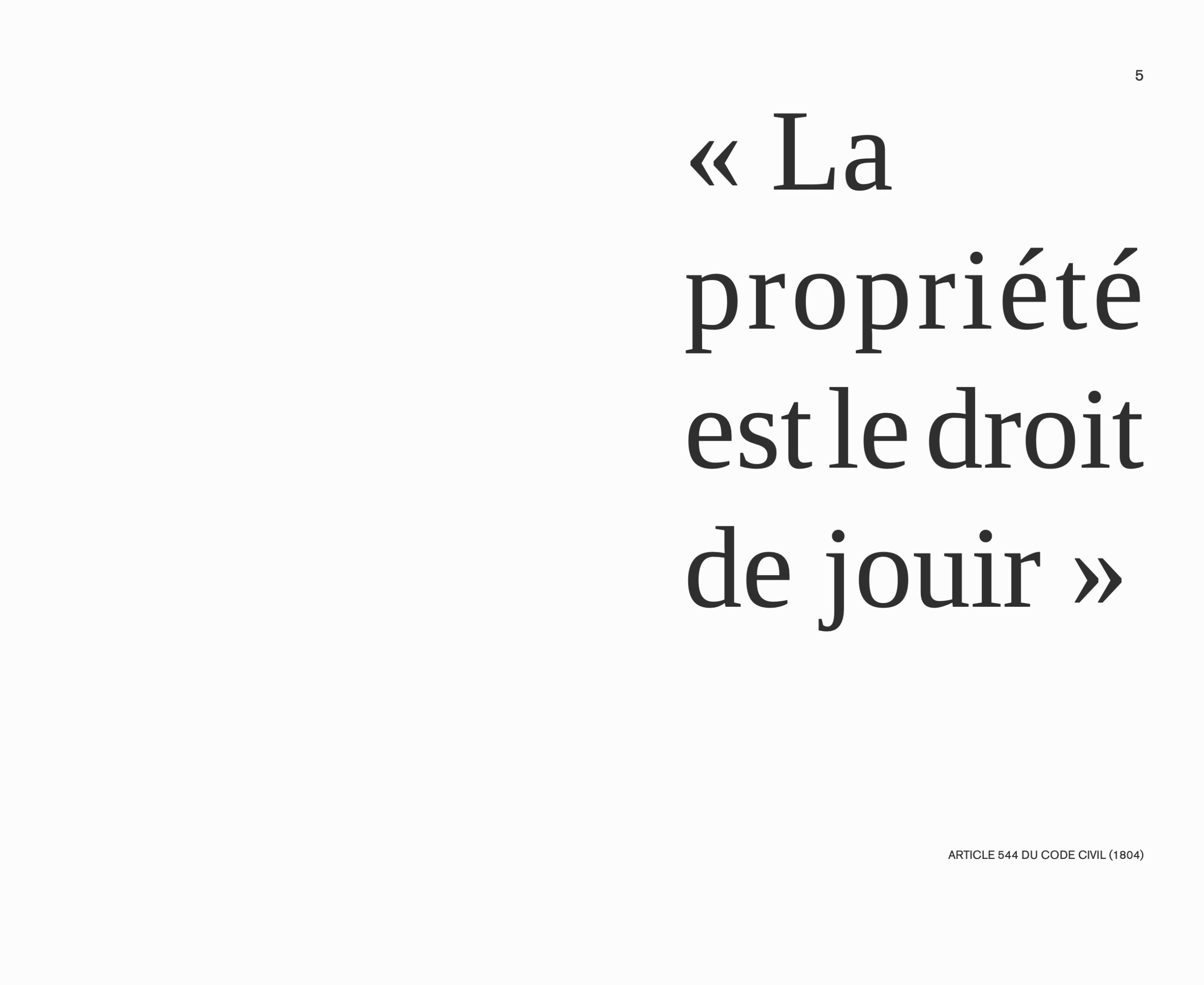
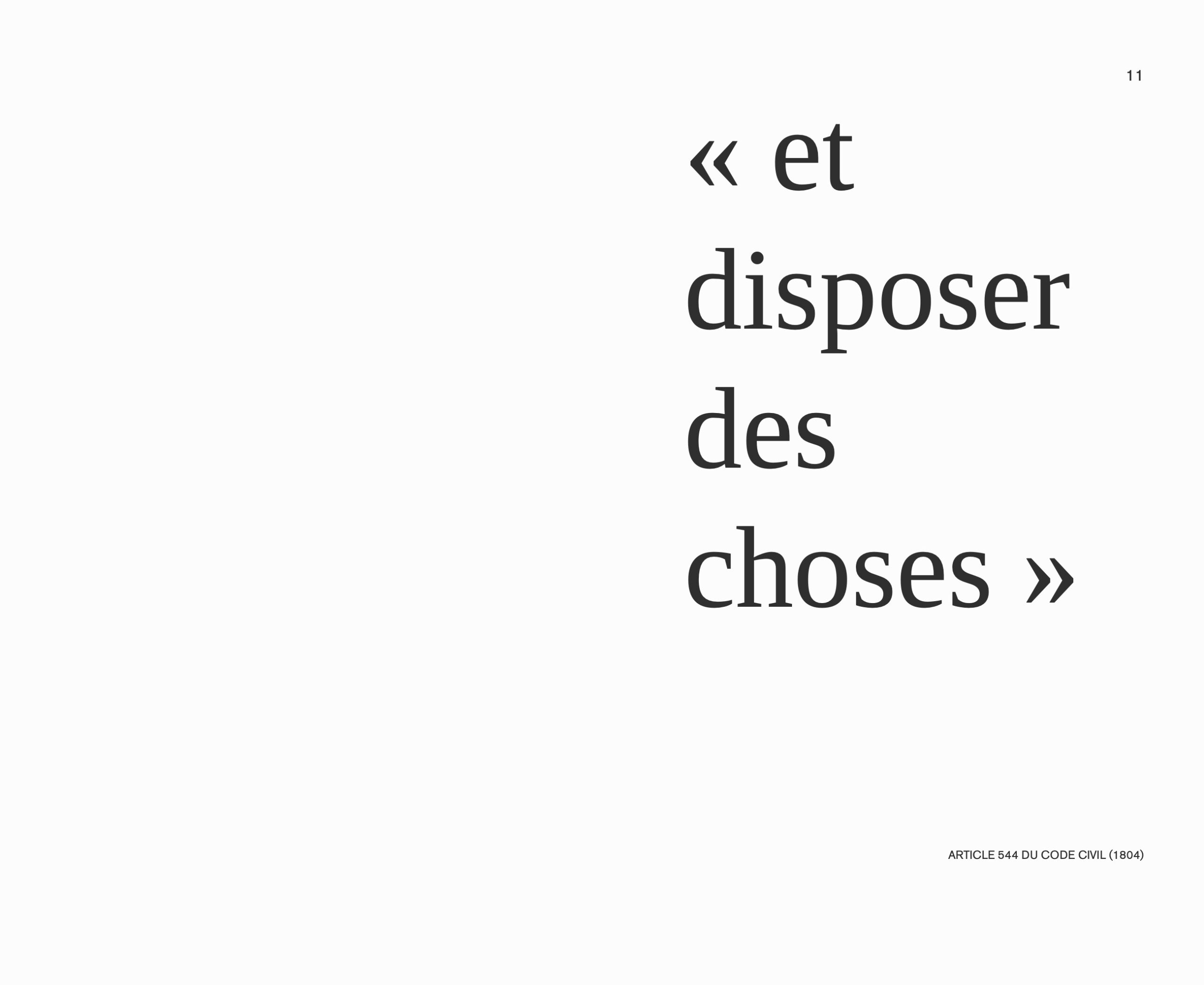
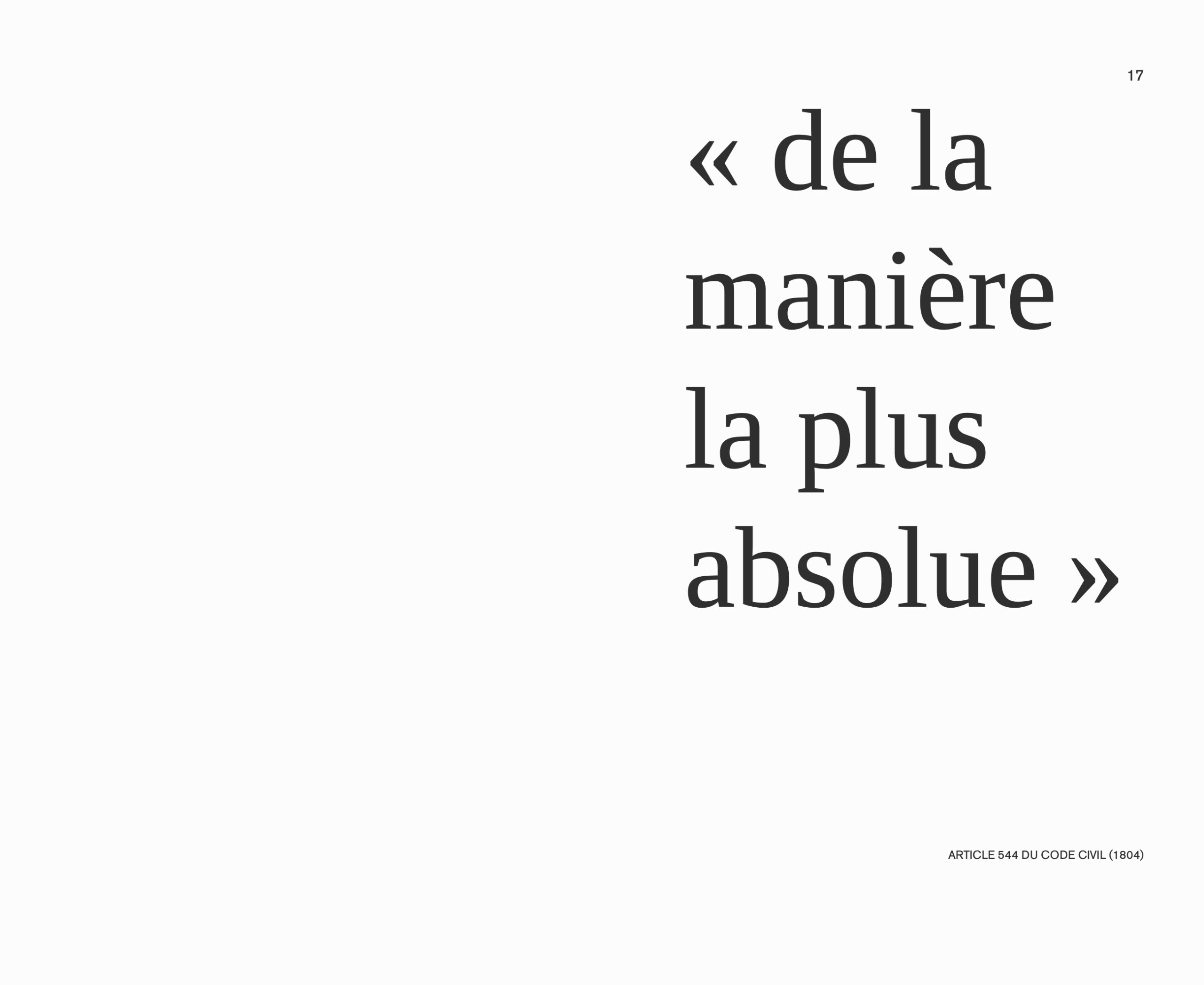
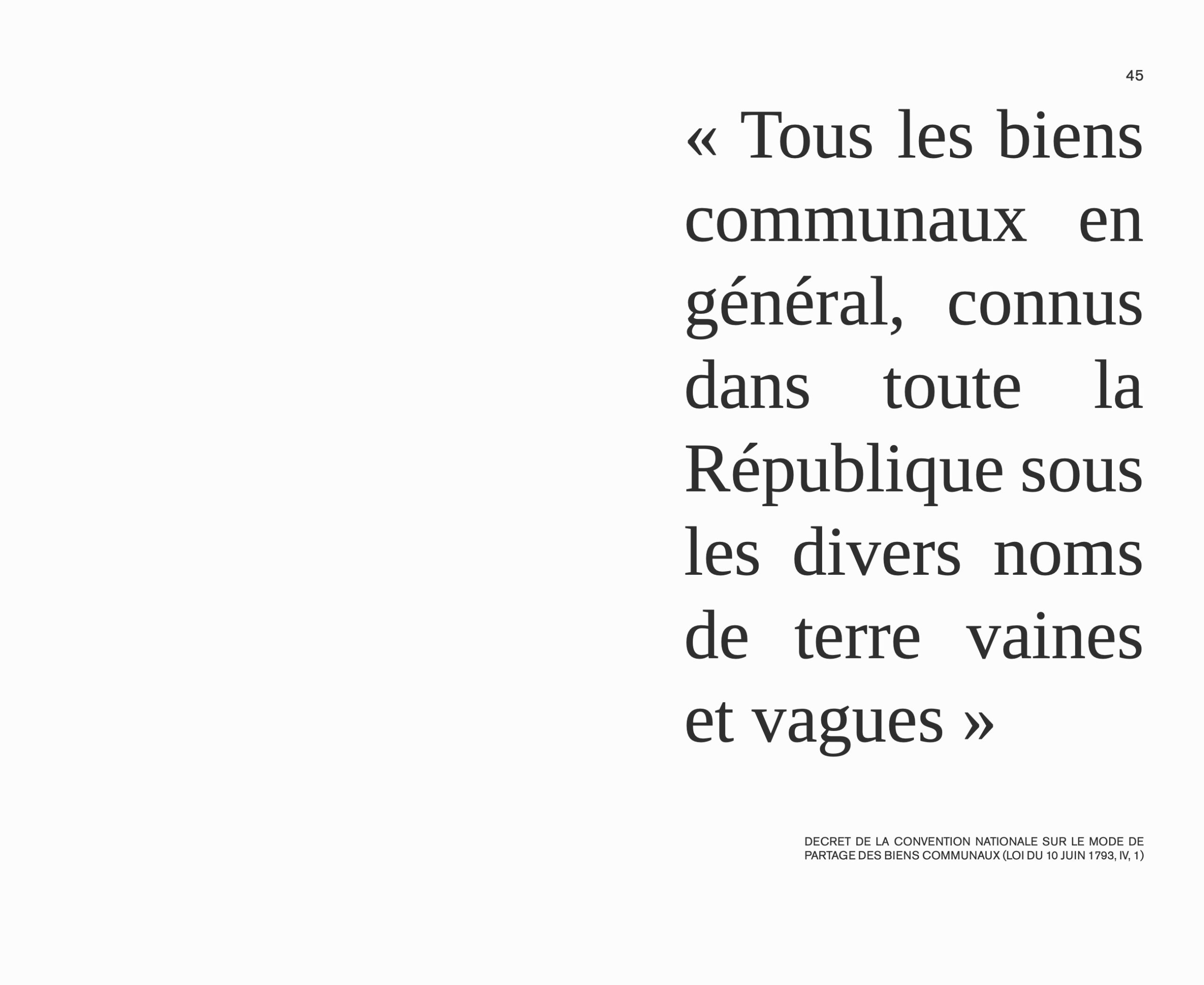
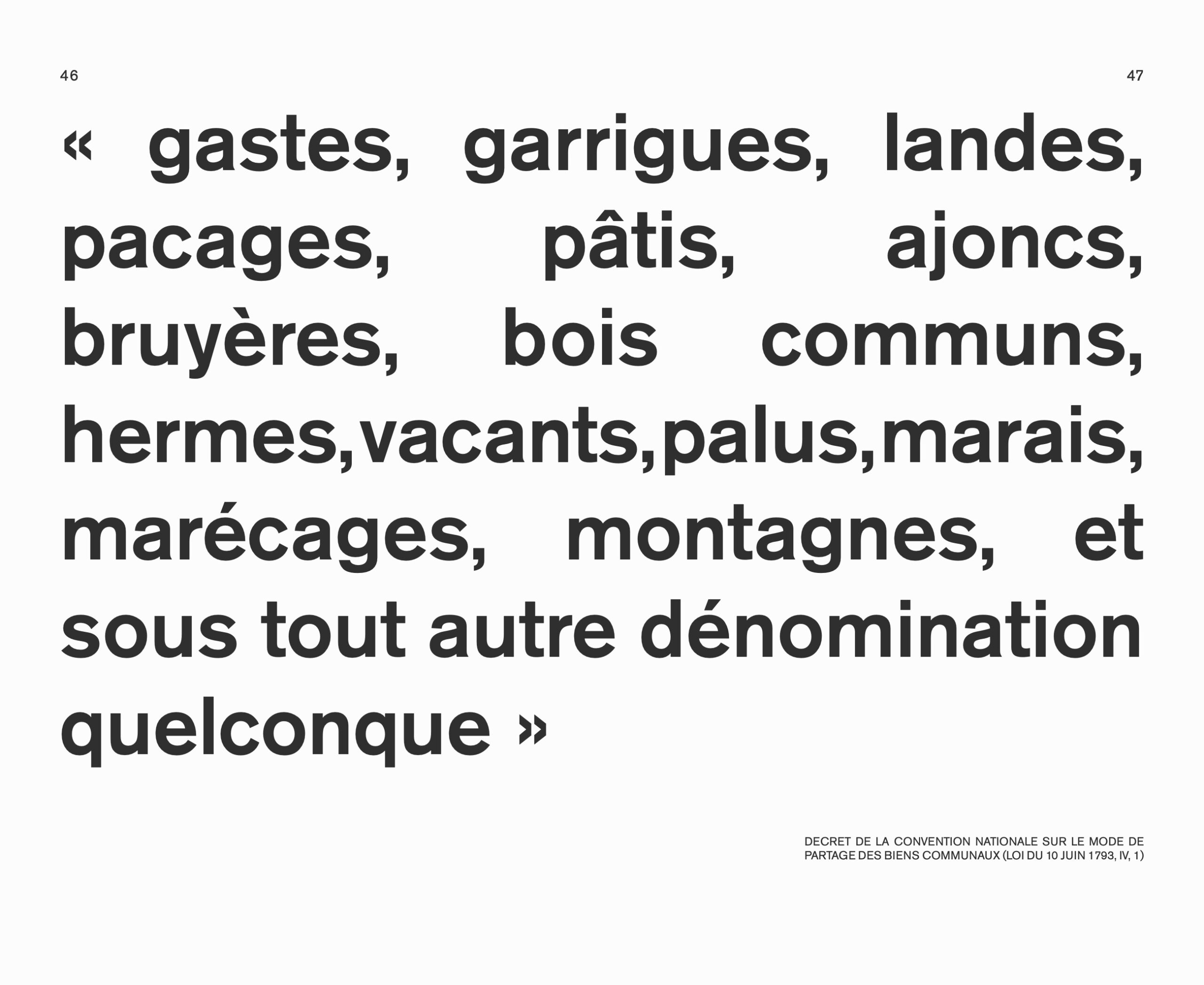
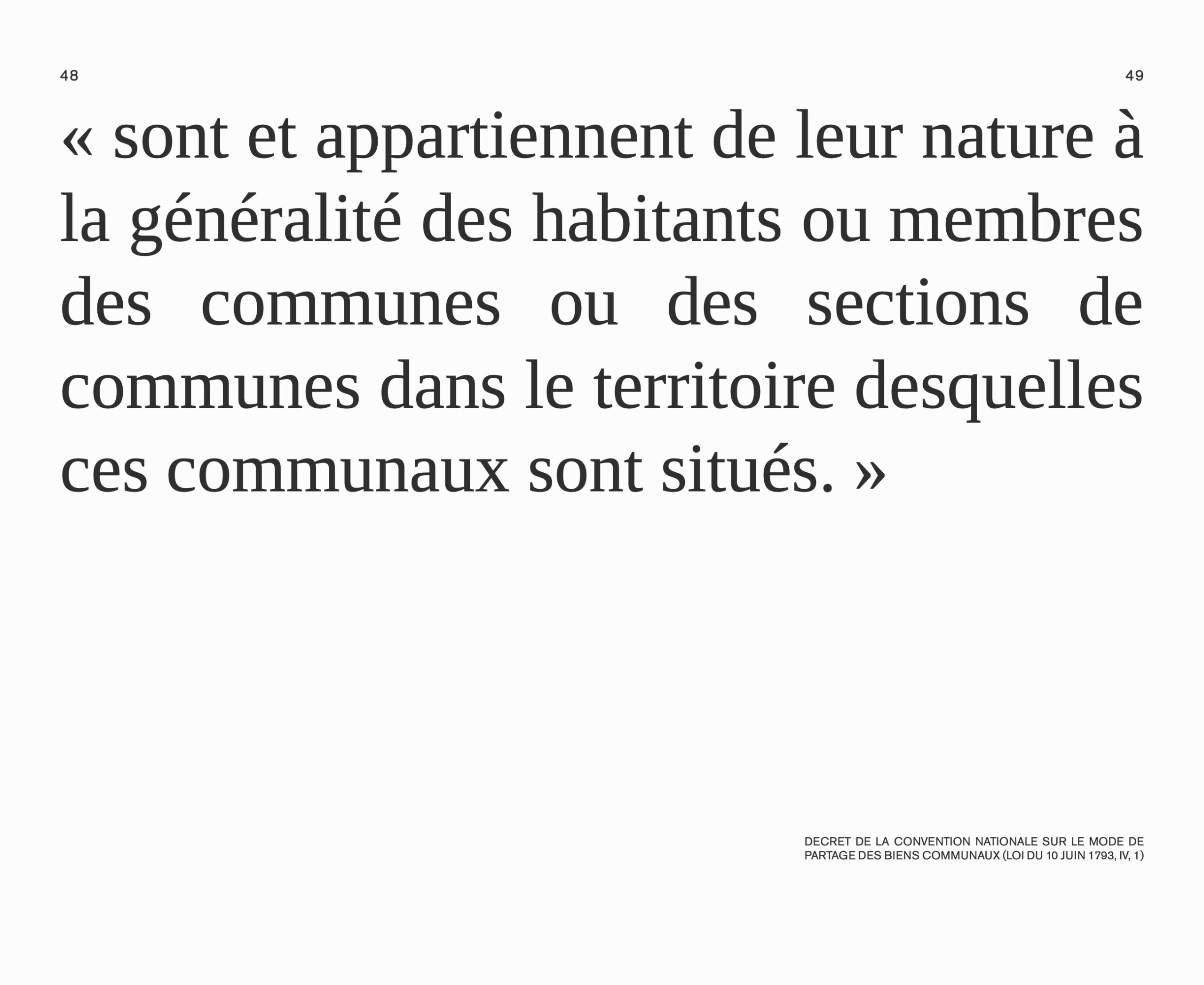
Based on Sarah Vanuxem’s thesis «The land property», the project is a short publication investigating definitions of property.
Archipelago
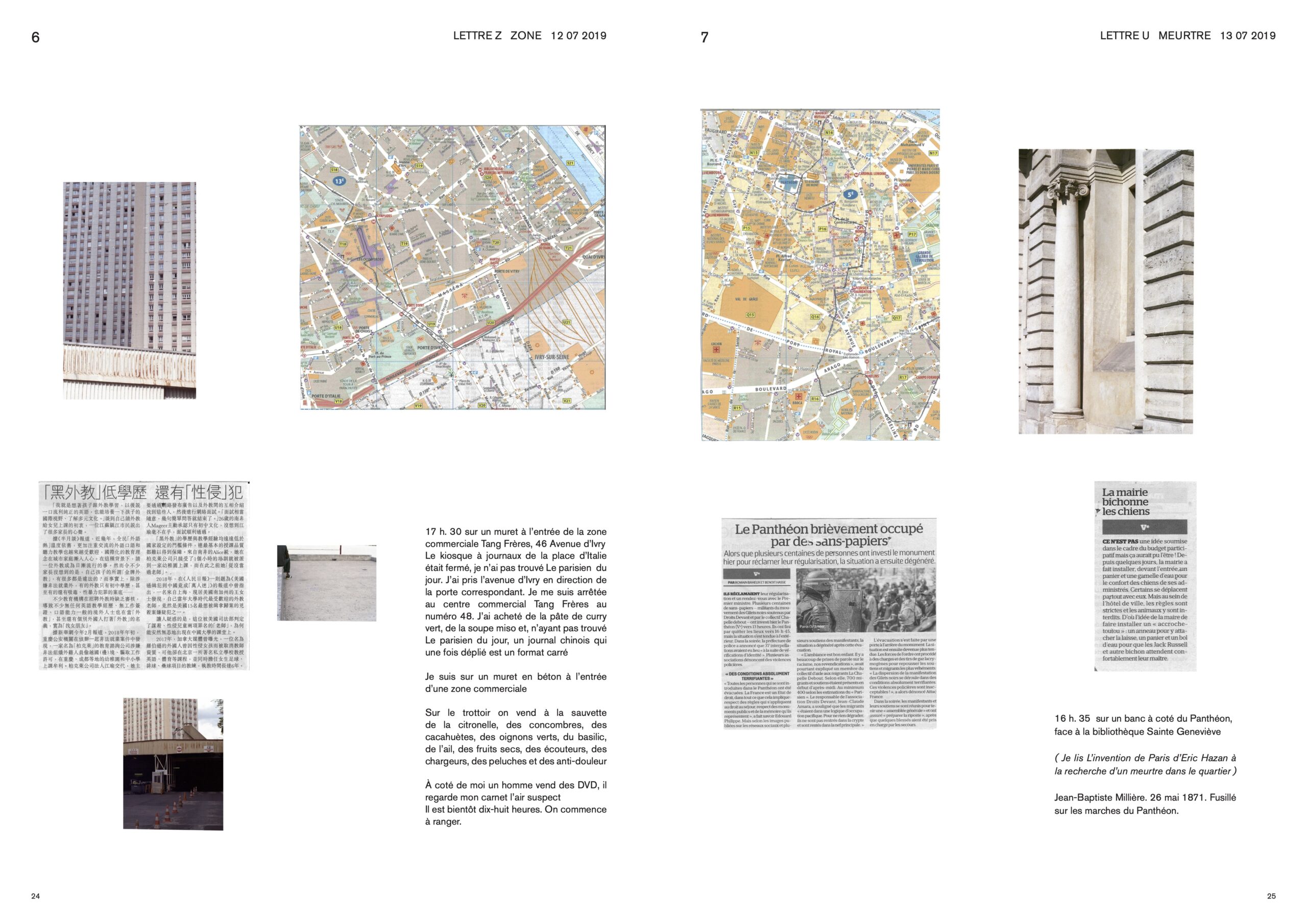
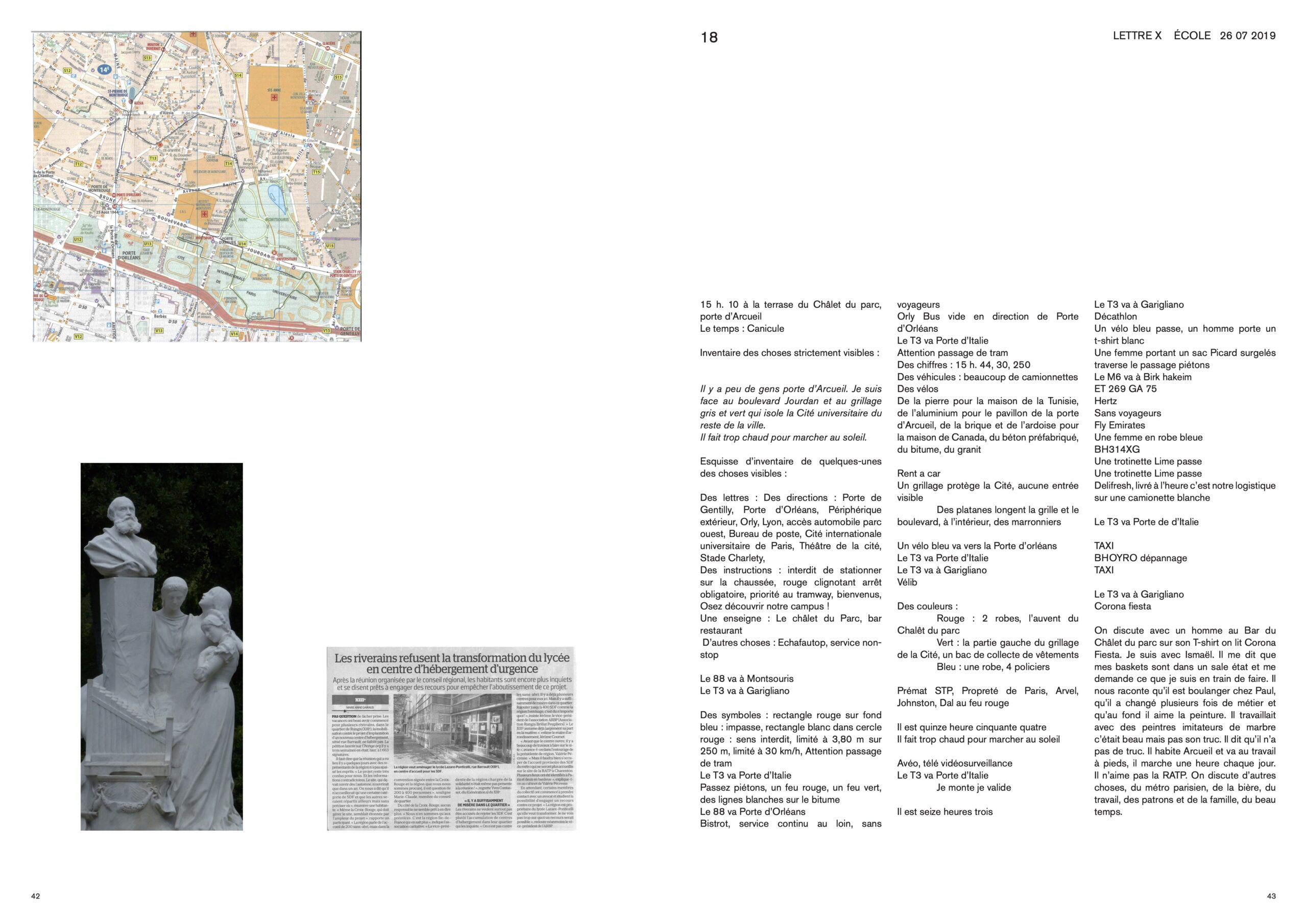
This study takes the city of Paris as its field of inquiry, serving as a basis for reflection on the production of contemporary urban space. A methodical survey of the city takes the form of 26 tableaux composed of excerpts from the newspaper Le Parisien, notes, and fragments from the books Paris, Capital of Modernity by David Harvey and The Invention of Paris by Éric Hazan.“It was understood that through the landscape, the image of the power of the era was revealed.” — Éric Baudelaire, regarding the film A.K.A. Serial Killer (1969) and Masao Adachi’s theory of landscape.
Hydro ~ matters
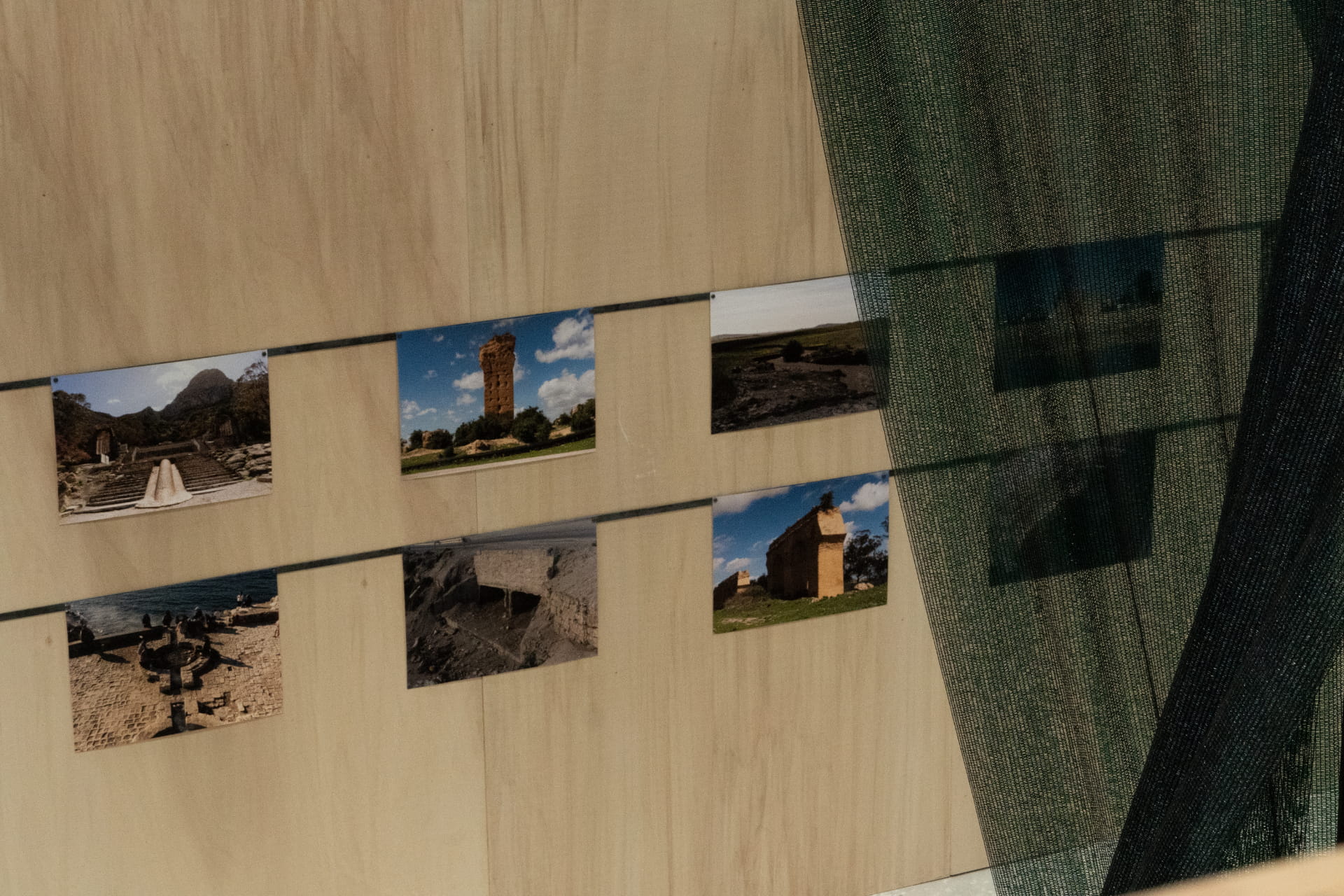
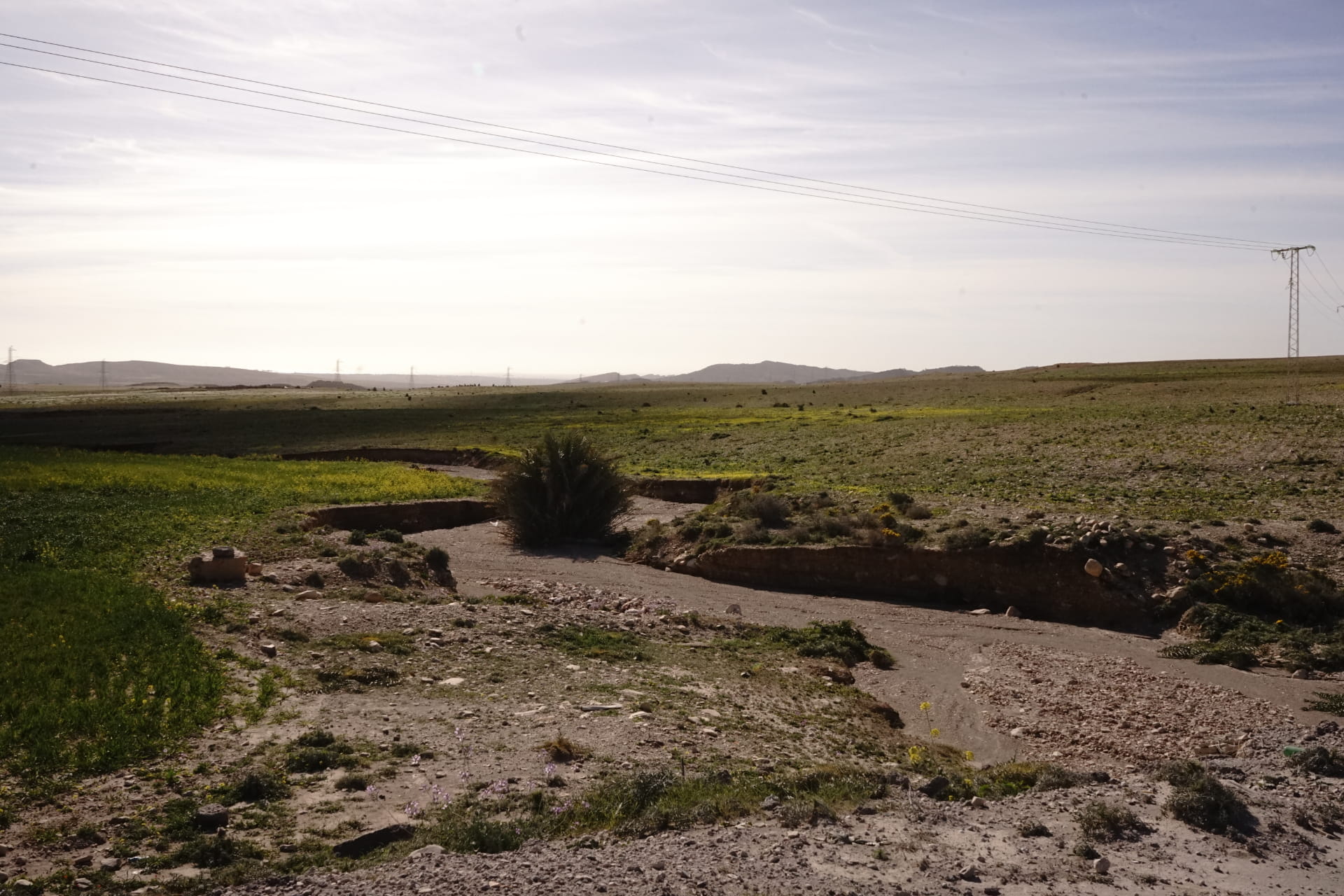
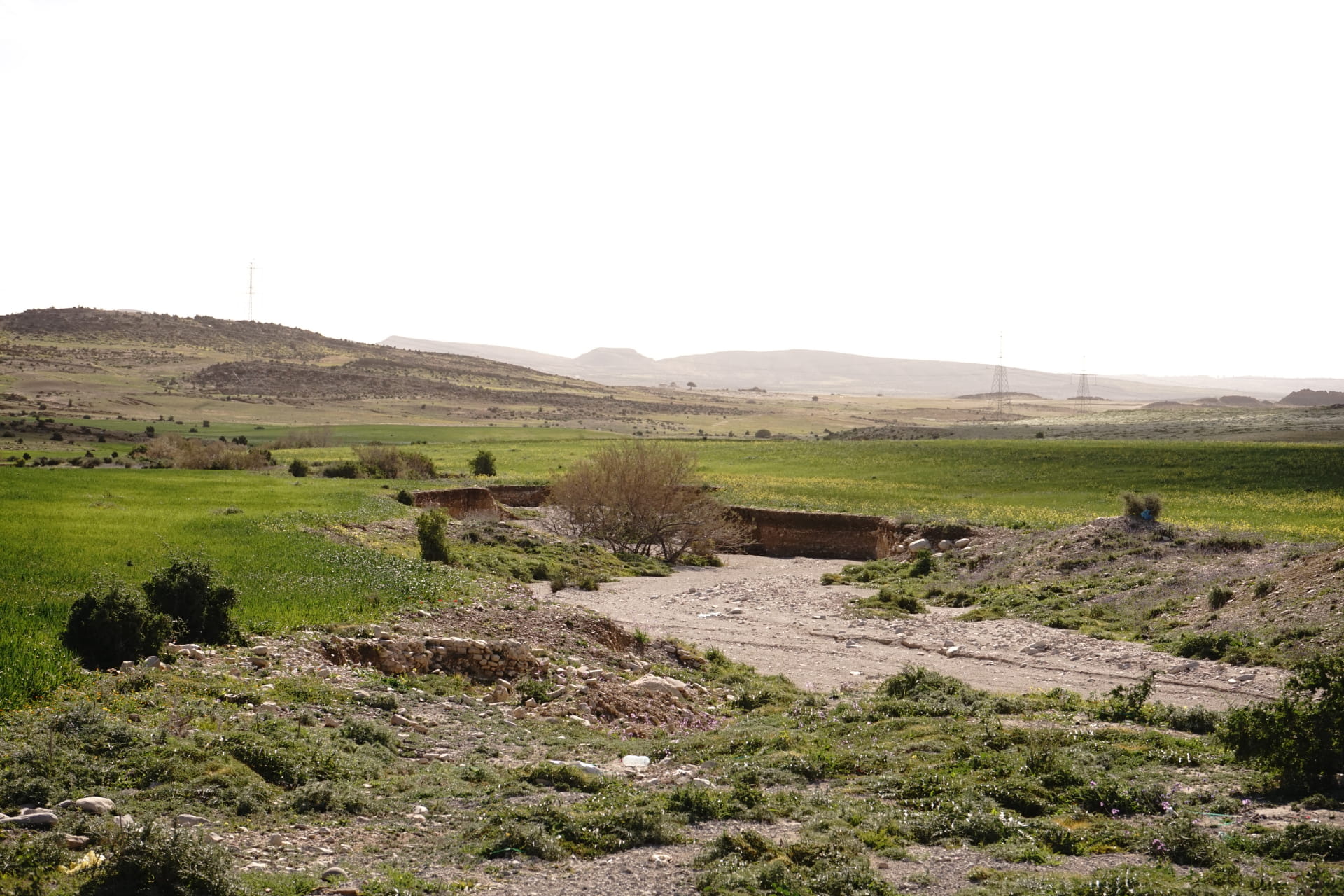
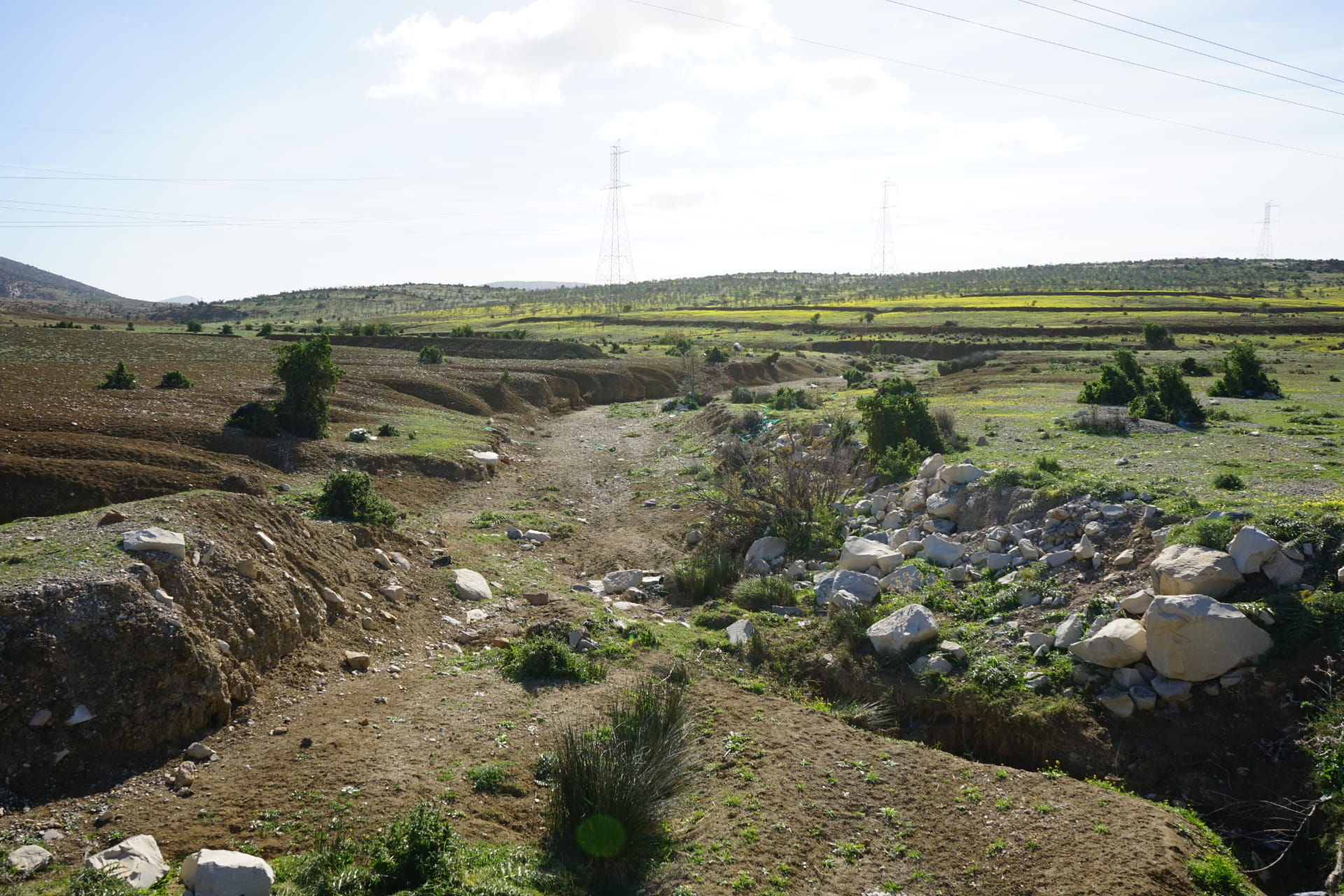
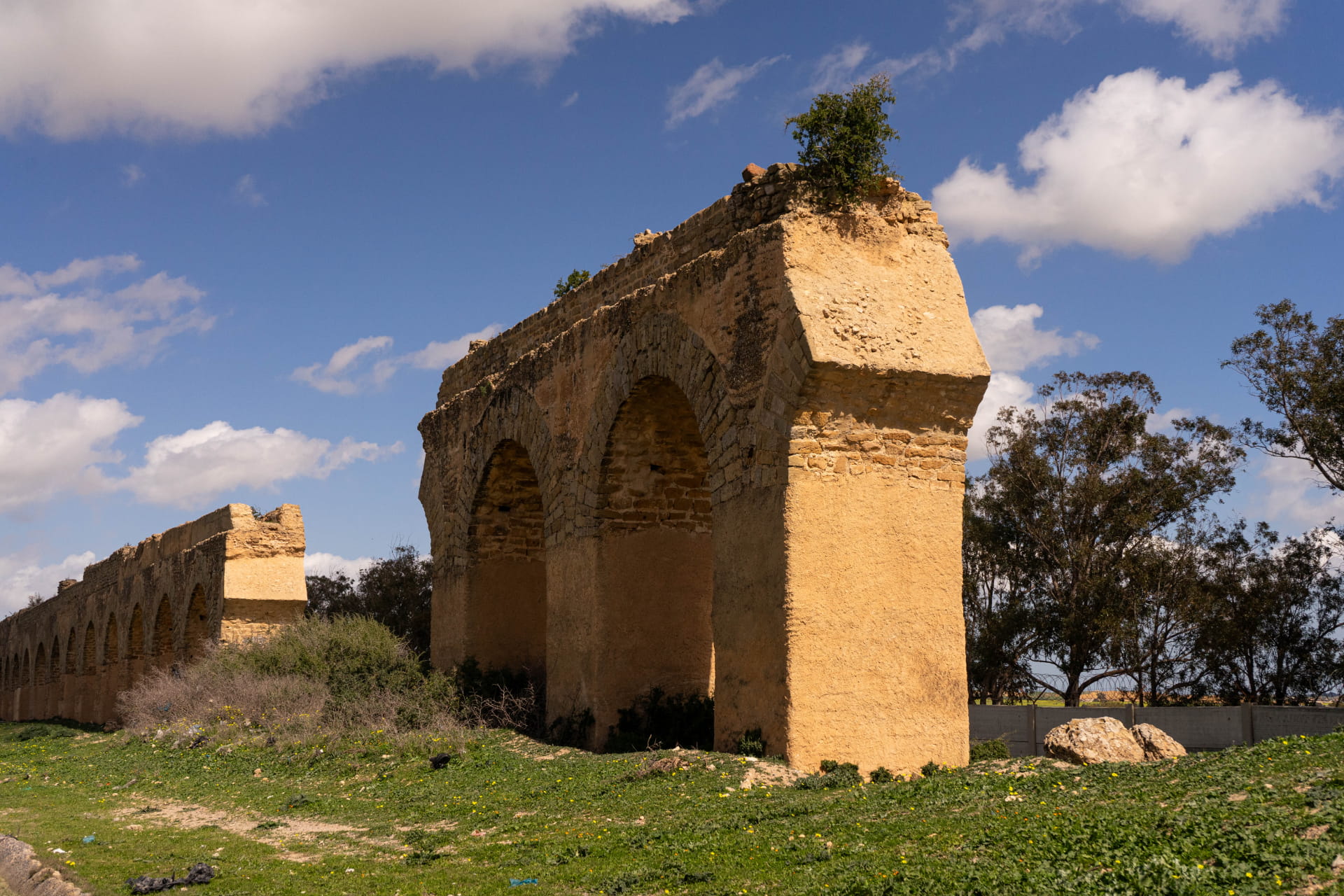
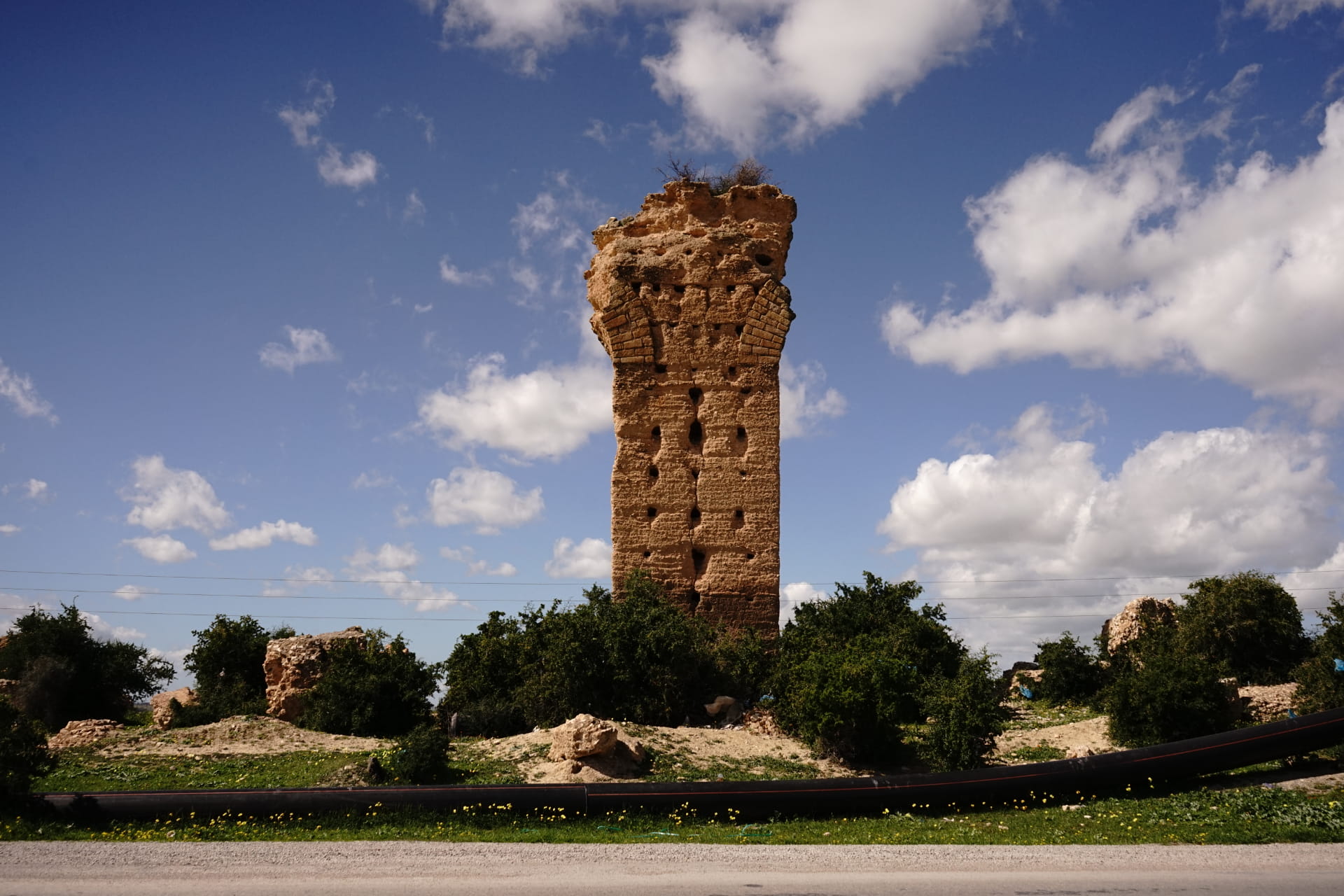
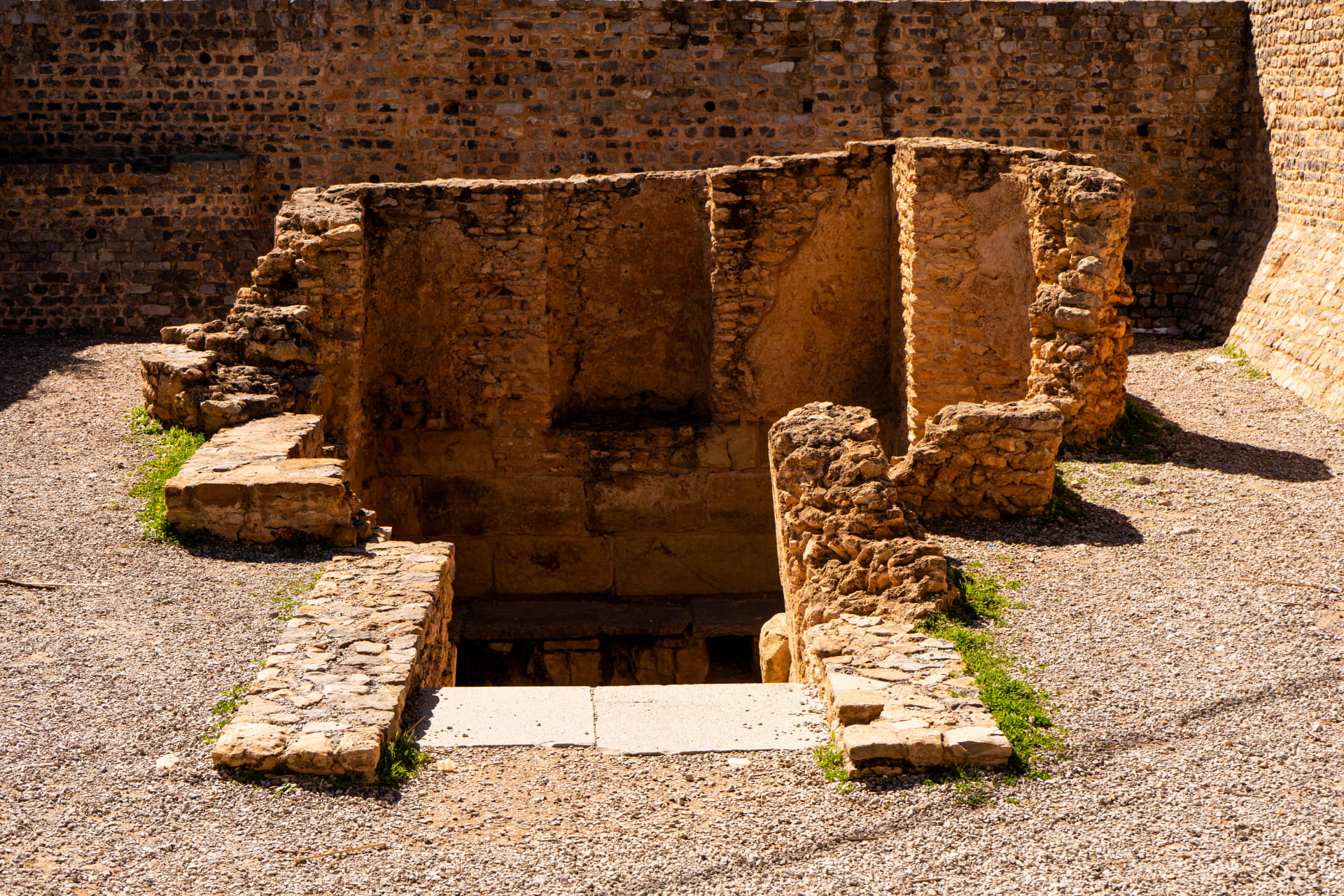
Hydro-Matter is an ongoing research and design project investigating how water is represented, governed and experienced across different territories. Combining fieldwork, installations, photography and spatial devices, the project examines the political, material and sensory effects produced by dominant representations of water. Developed through a series of interconnected projects in France and Tunisia, Hydro-Matter includes photographic investigations of hydraulic infrastructures, experimental fog-catching devices, collective river expeditions, floating structures, drawing machines and documentary inquiries. Each project functions as a situated research tool, allowing alternative encounters with aquatic environments and revealing forms of knowledge that often remain invisible within conventional modes of representation.By creating alternative forms of mediation and observation, Hydro-Matter seeks to make visible the uncertainties, circulations and interdependencies that characterize water environments. The project ultimately asks how design can contribute to reimagining relationships between water, humans and other living and non-living entities.
Photographic series
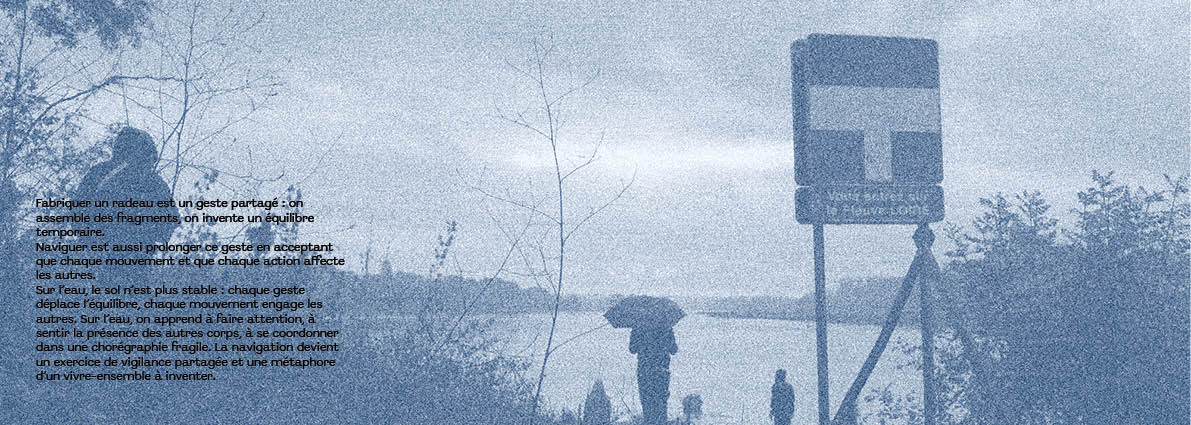
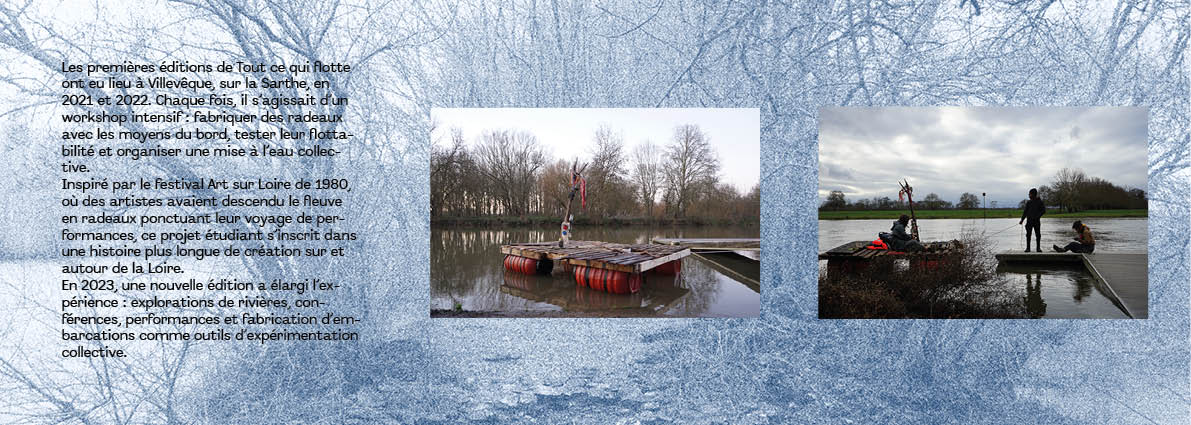
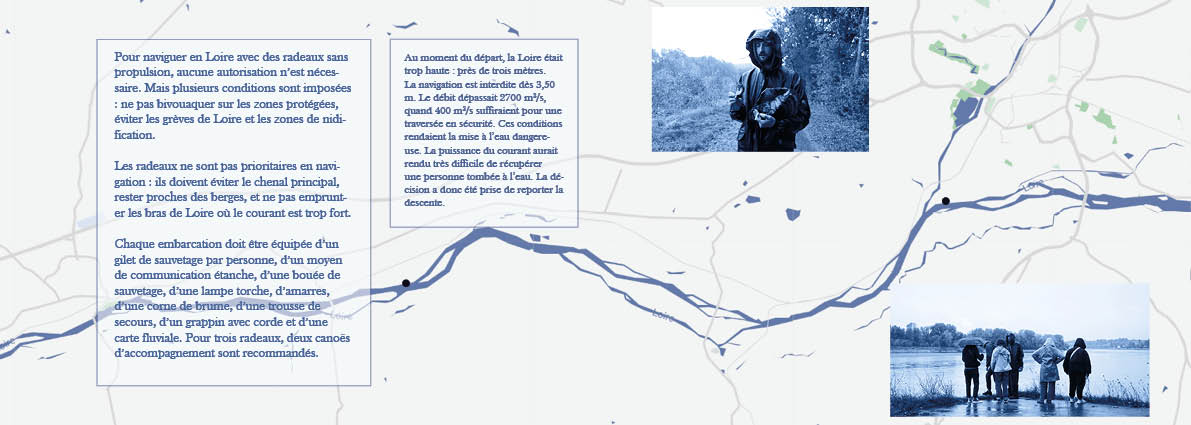
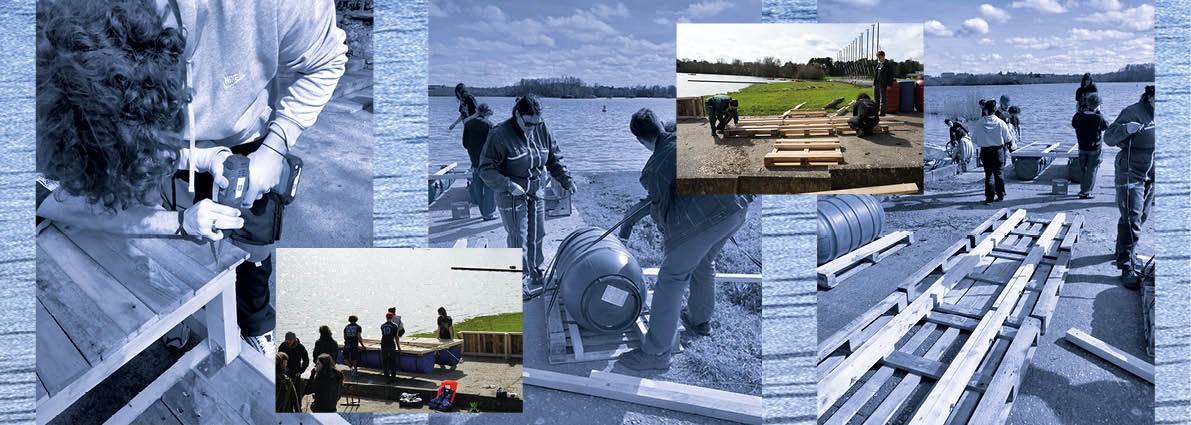
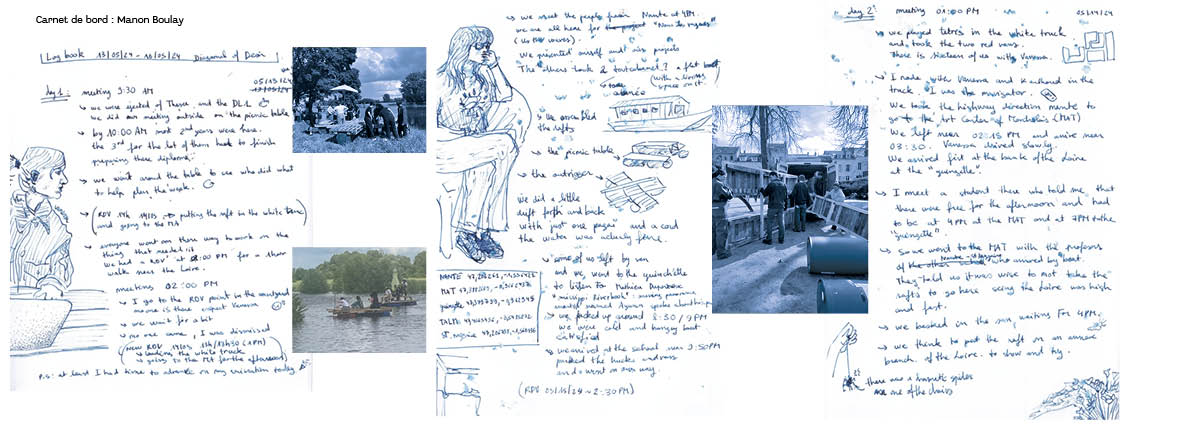
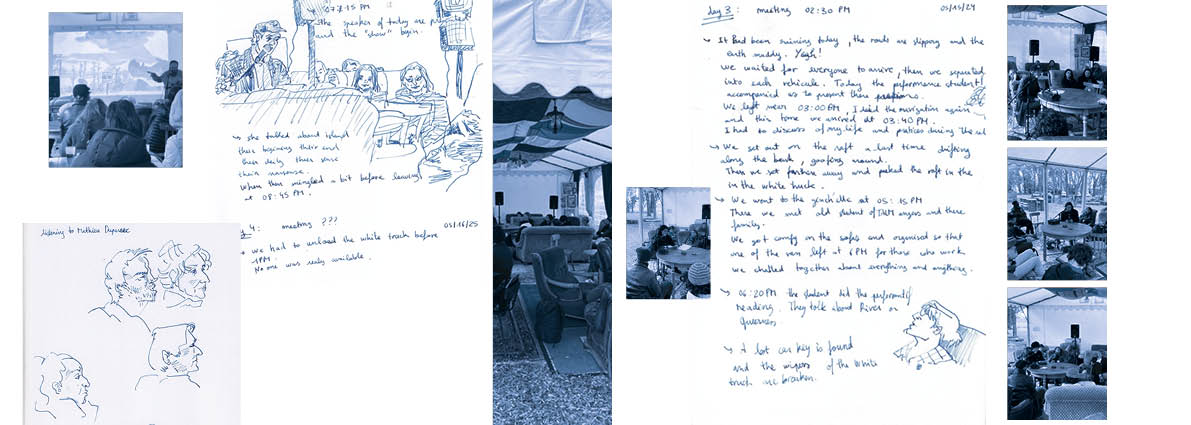
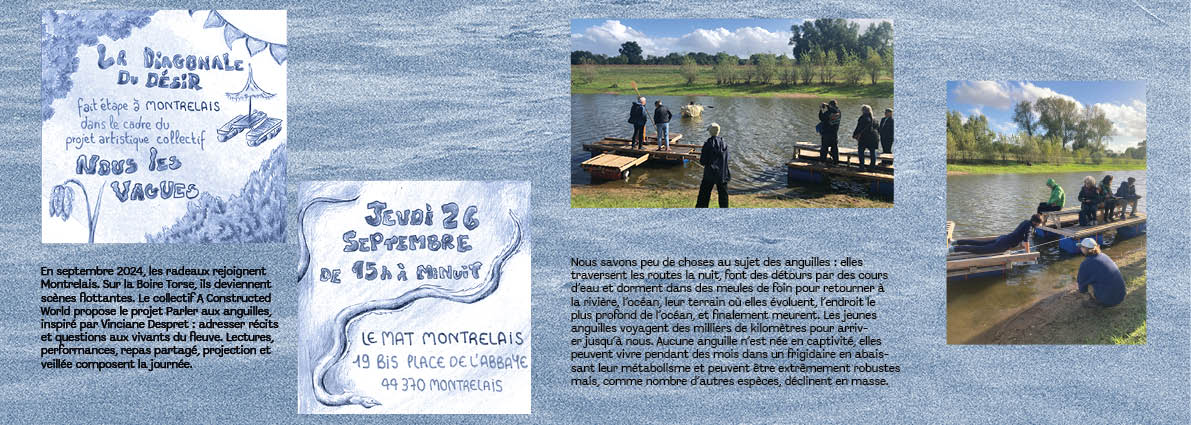
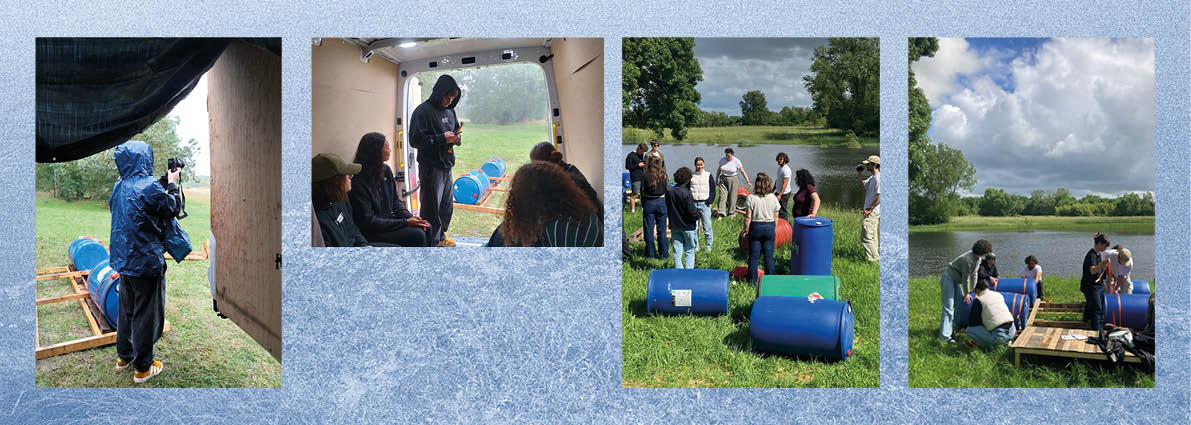
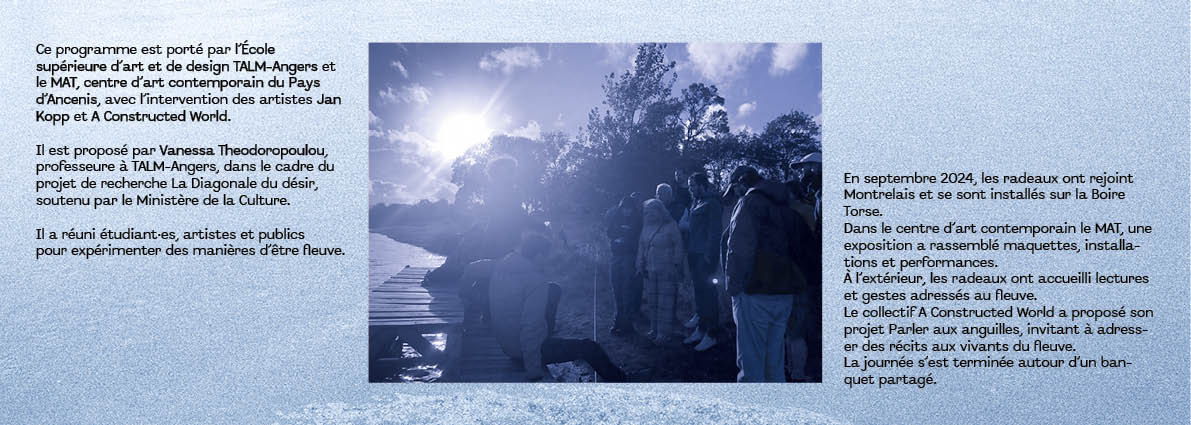
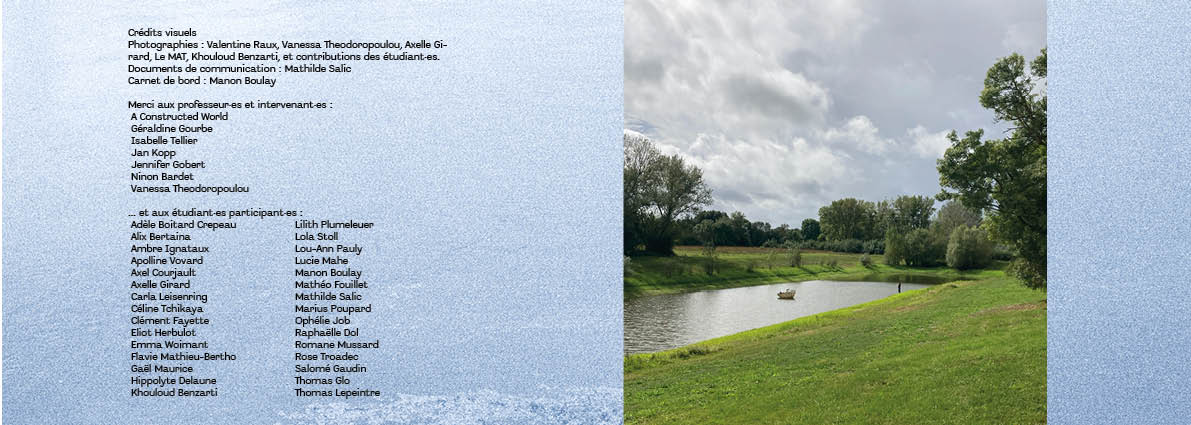
This series of experimental rafts was developed as a field-based component of Hydro-Matter. Conceived as platforms for observation, listening and collective exploration, they were activated through river journeys on the Sarthe and the Loire.Moving at the pace of the current, these floating structures created conditions for experiencing rivers from within rather than observing them from the shore. They hosted conversations, field recordings and forms of situated documentation, transforming navigation into a research method.By slowing down movement and engaging directly with aquatic environments, the projects explored how rivers can be understood not only as physical infrastructures but also as living territories. The rafts functioned simultaneously as vehicles, research tools and temporary spaces for collective inquiry. The journey culminated in public gatherings, discussions and listening sessions, extending the experience beyond navigation itself.
Microfluid
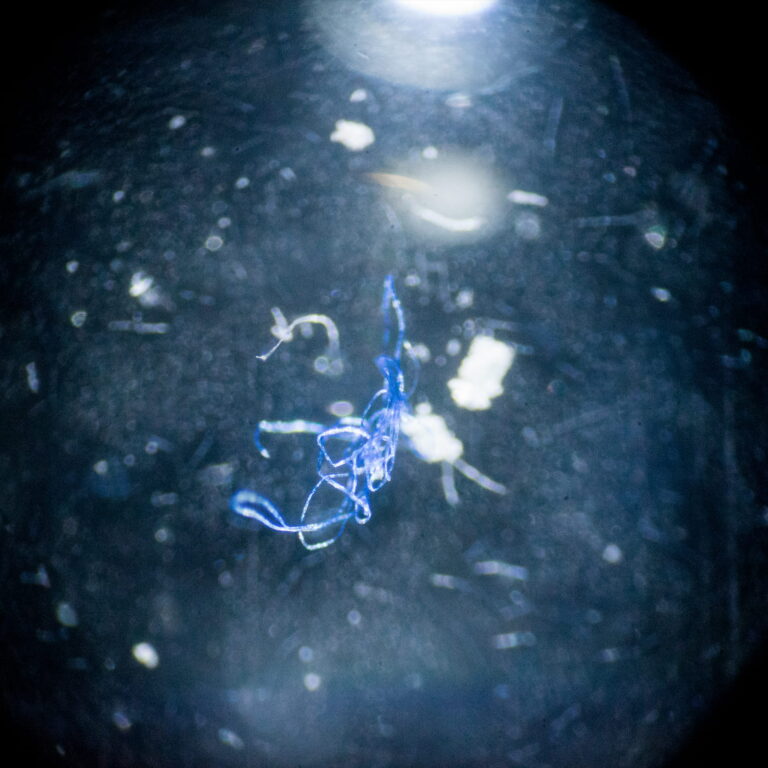
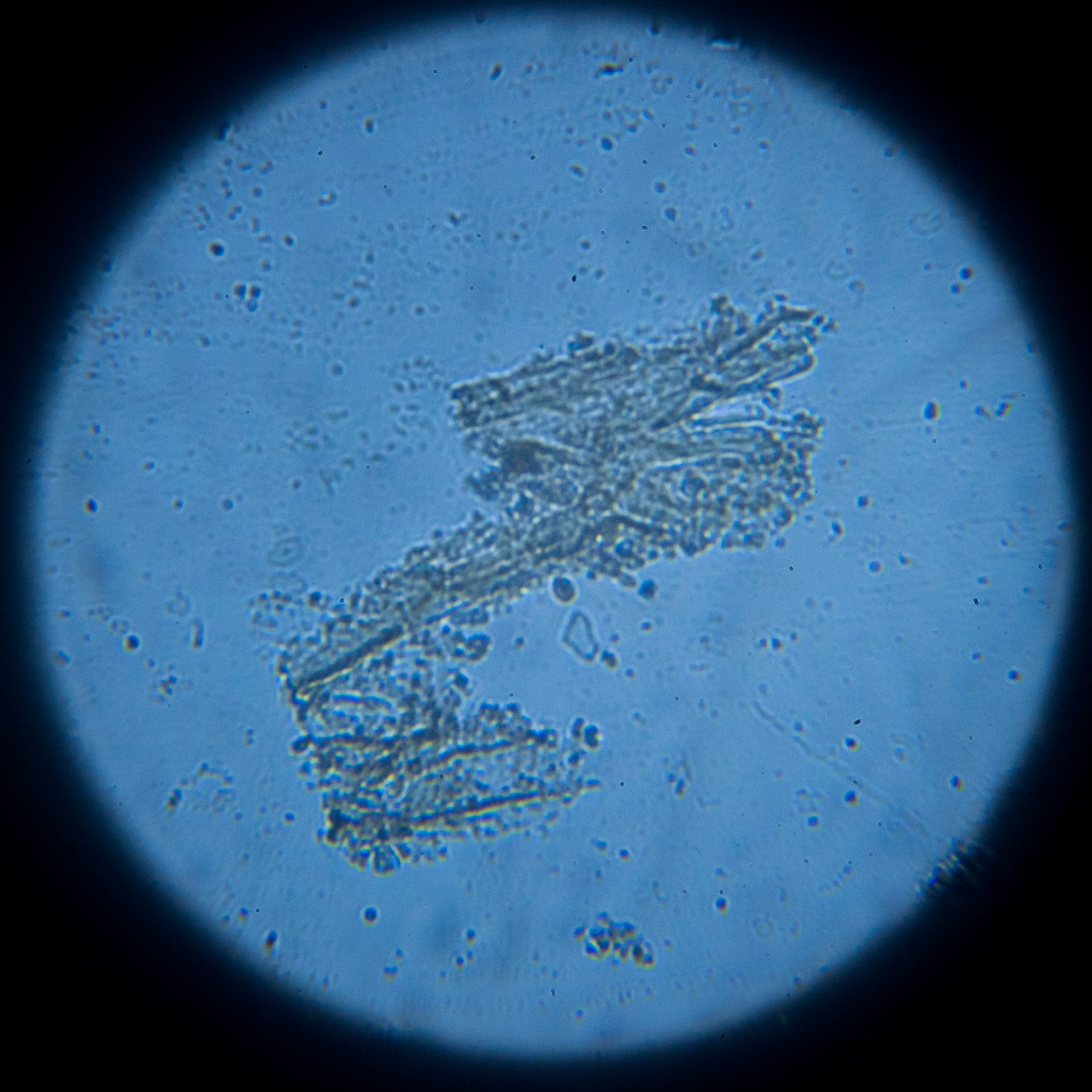
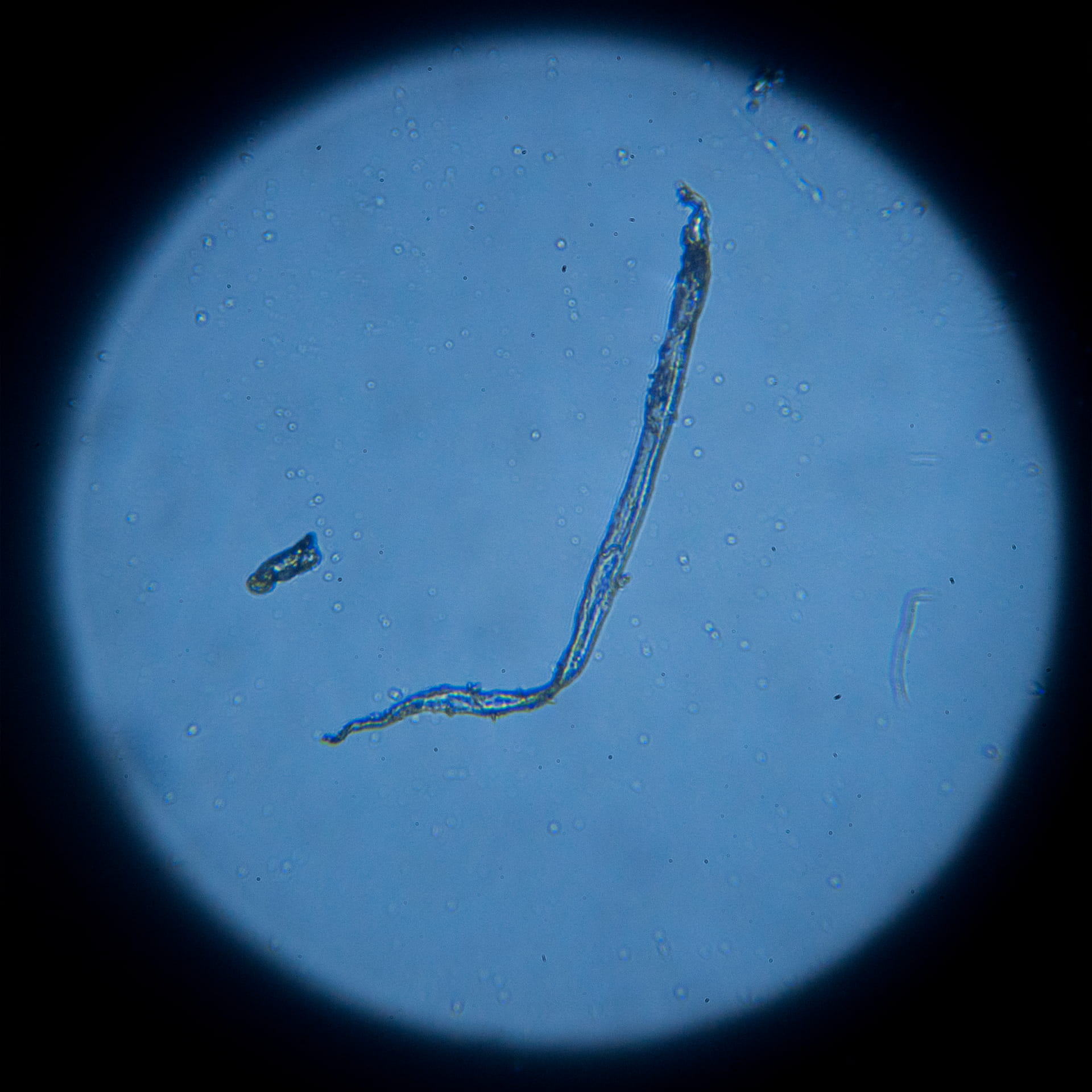
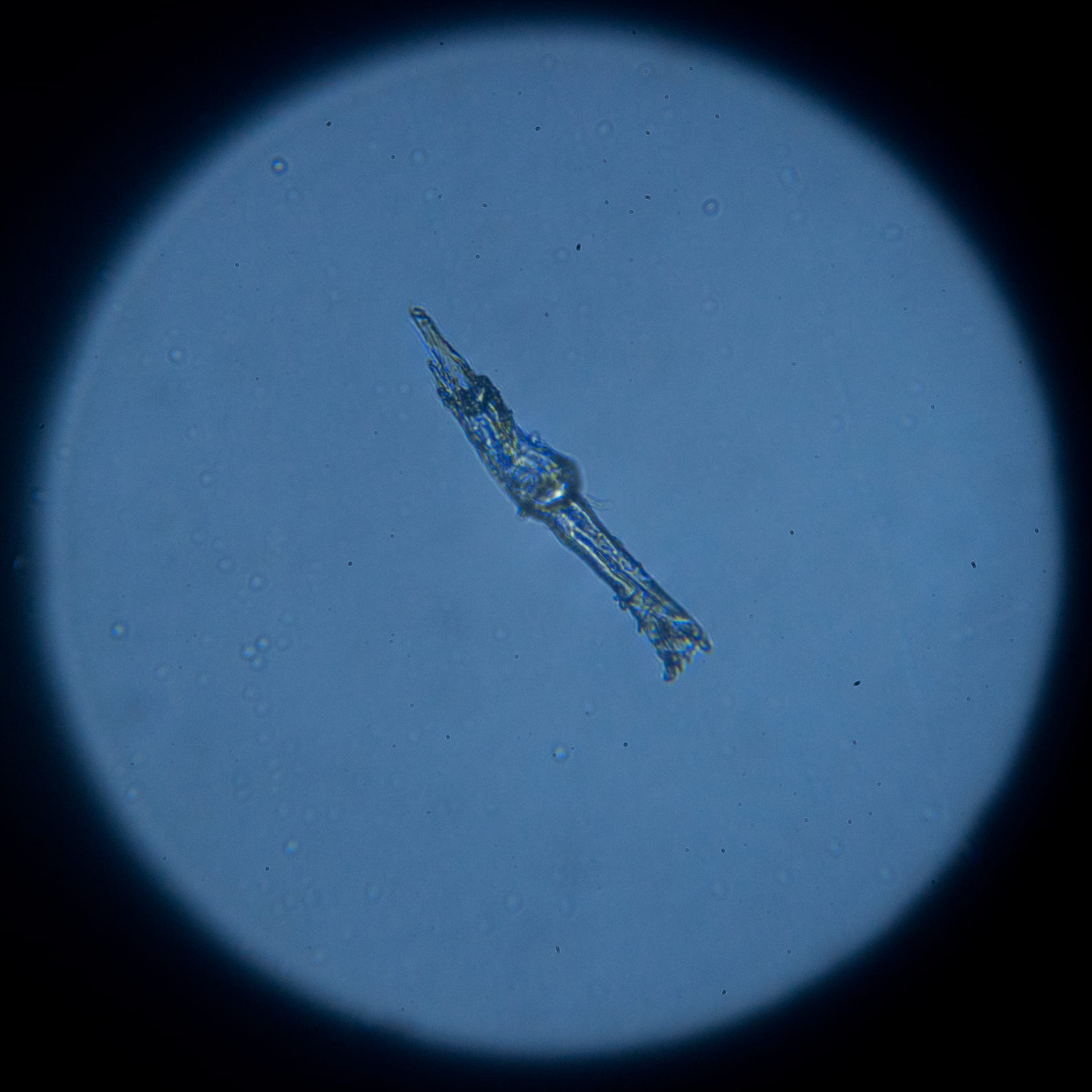
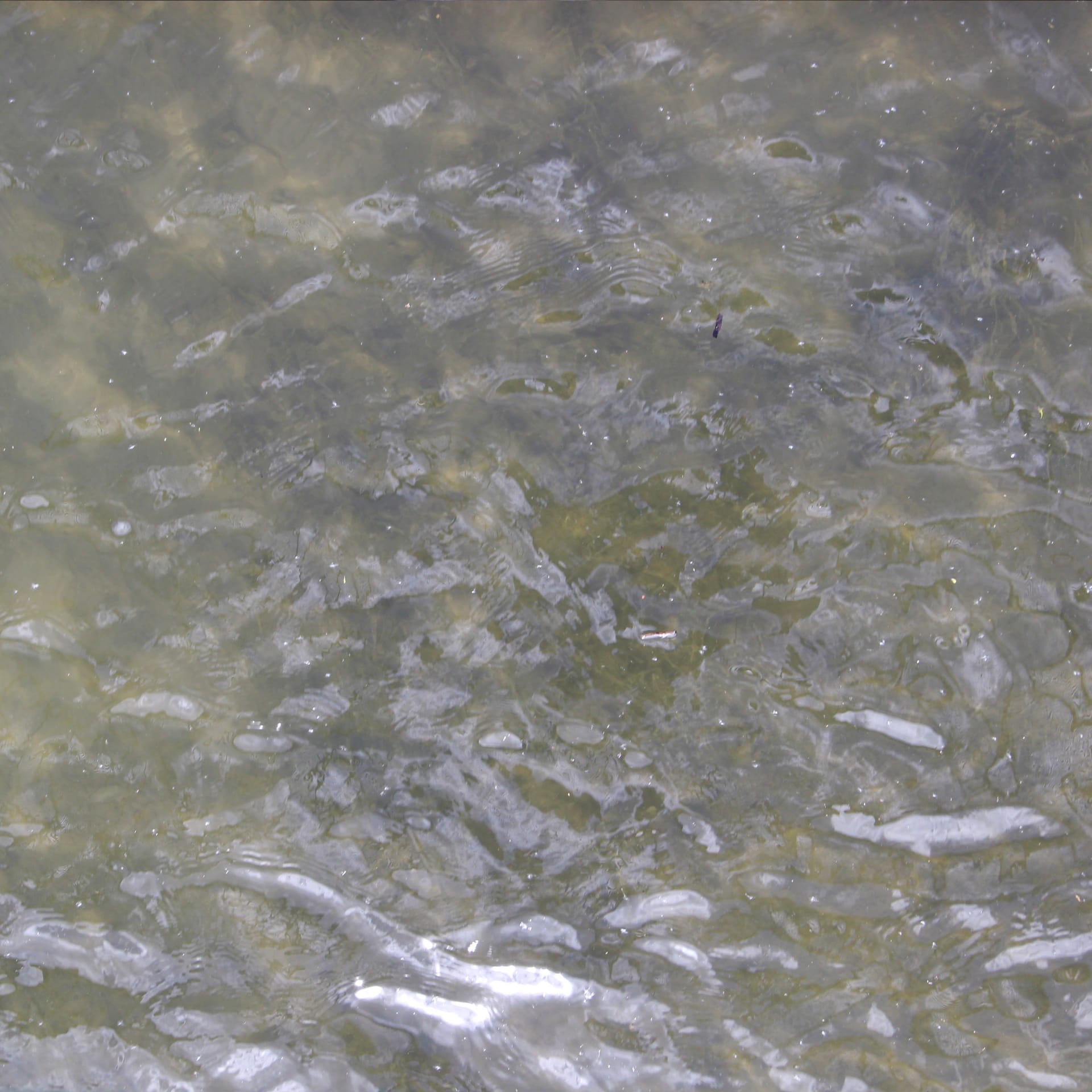
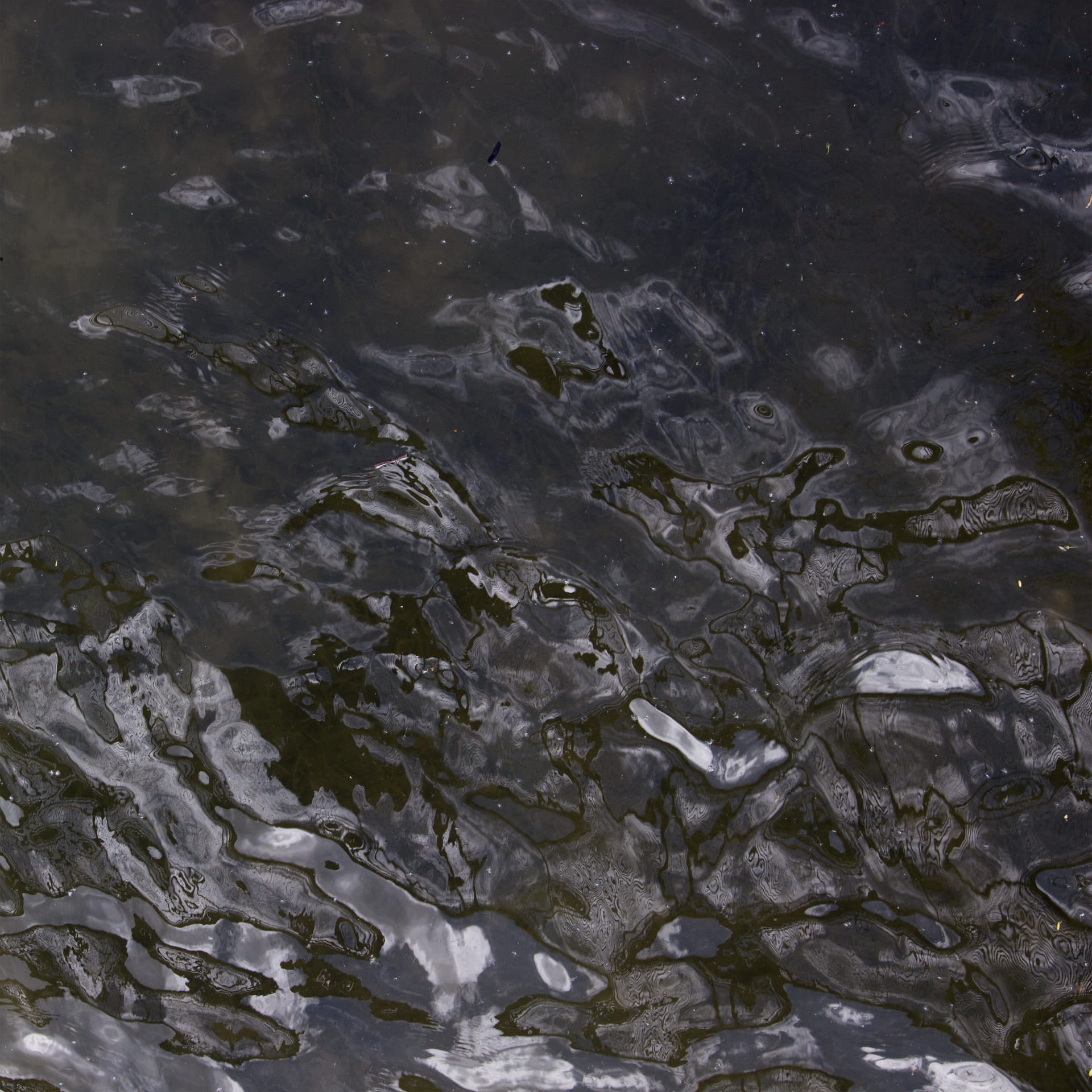
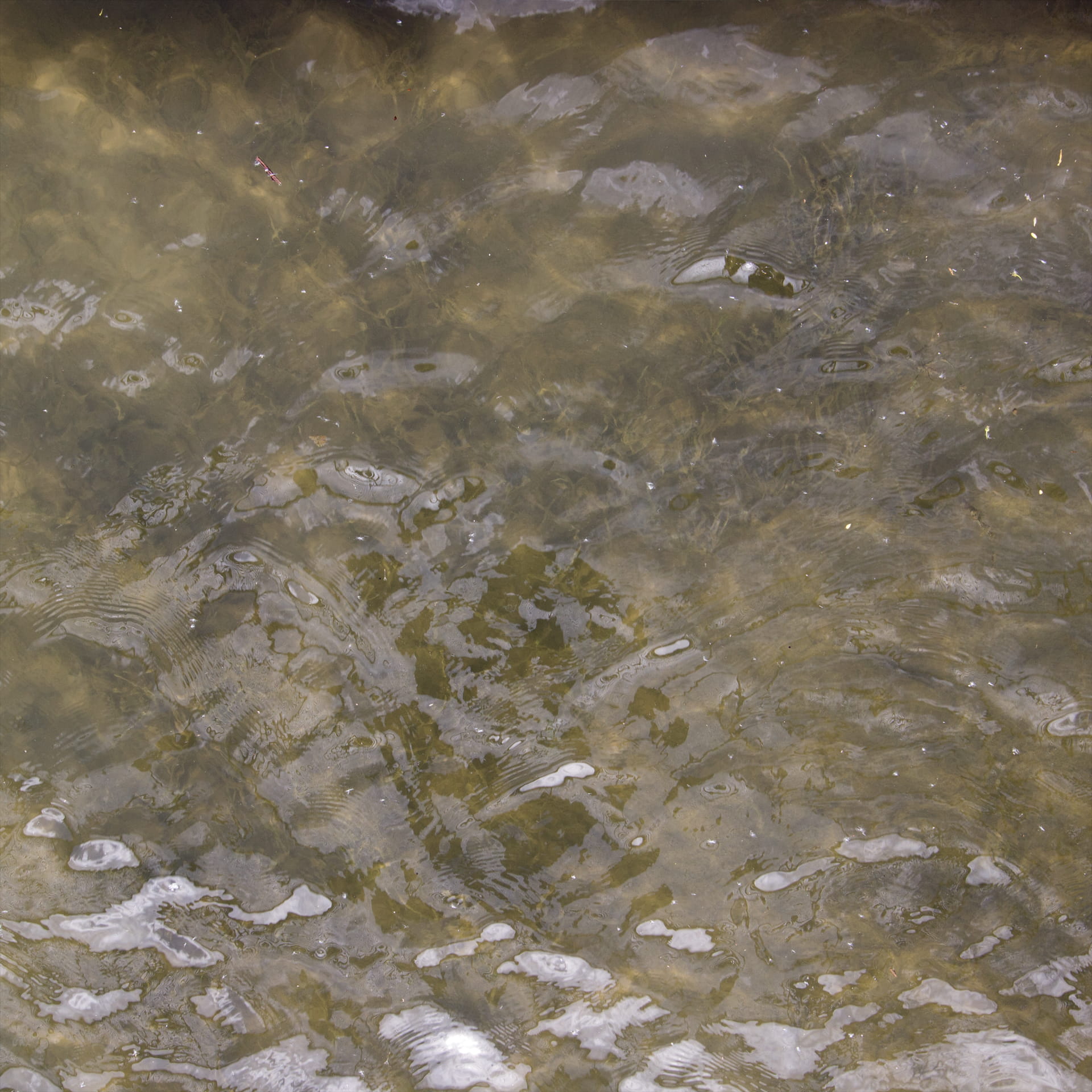
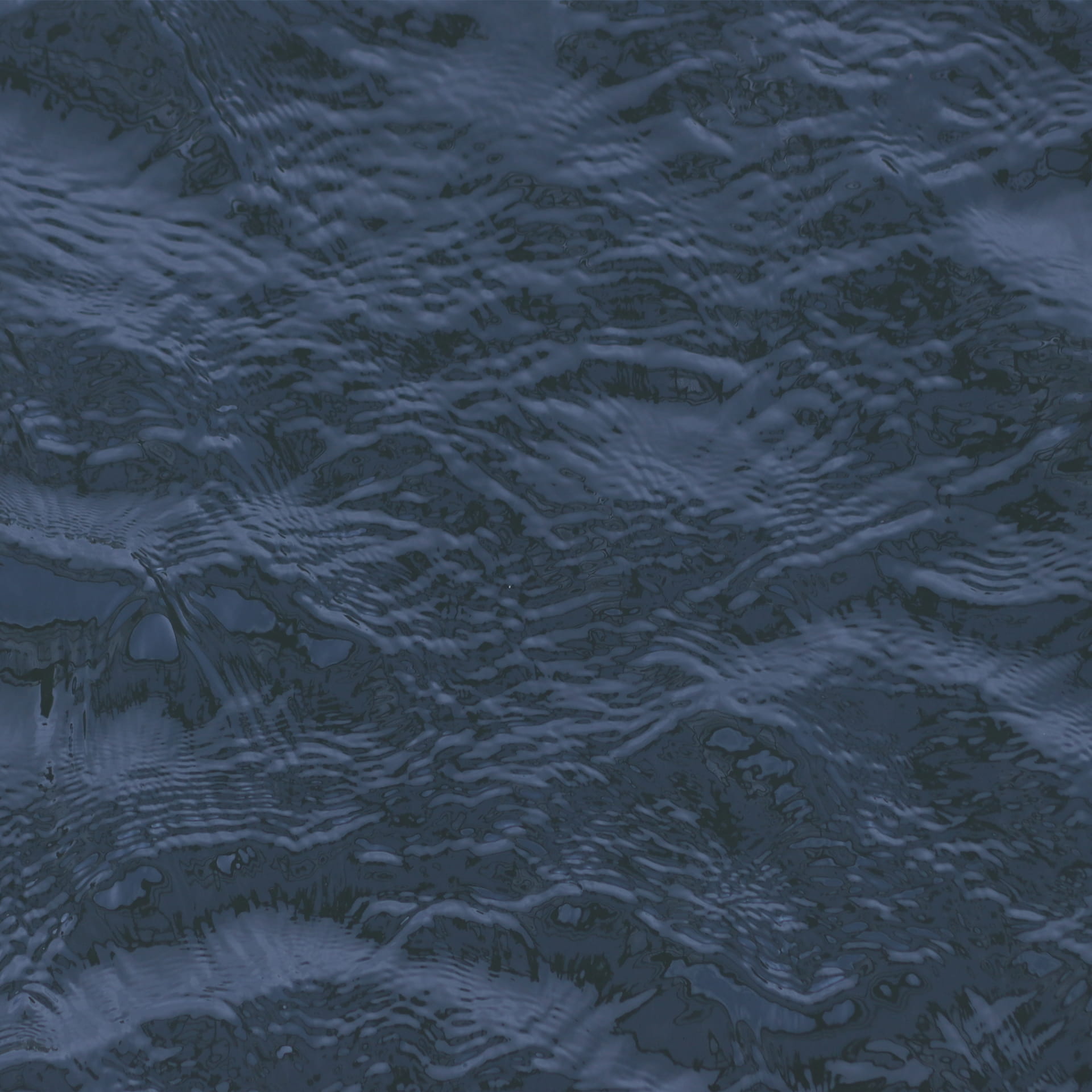
Conducted along the Escaut River, a post-industrial and heavily transformed waterway, the project investigates forms of aquatic life that persist within landscapes shaped by centuries of industrial activity, canalisation and environmental intervention, yet remain largely absent from dominant representations of the river.
Developed in collaboration with a microbiology laboratory in Cambrai, Microfluid combines microscopy and photography to explore ecological processes unfolding beyond ordinary perception. The project originated from an observation of the river’s changing colours, textures and surface conditions. Water samples collected along the Escaut were analysed under a microscope, revealing microorganisms and microplastics, natural and synthetic fibersBy bringing together field observation and laboratory analysis, Microfluid establishes a dialogue between different ways of looking at water. The resulting photographic series connects the visible appearance of the river to the living communities inhabiting it, shifting attention from the surface of the water to the complex ecologies unfolding within it. The project proposes another reading of the river composed of multiple scales and forms of life unfolding across visible and invisible scales.
Wendepunkte
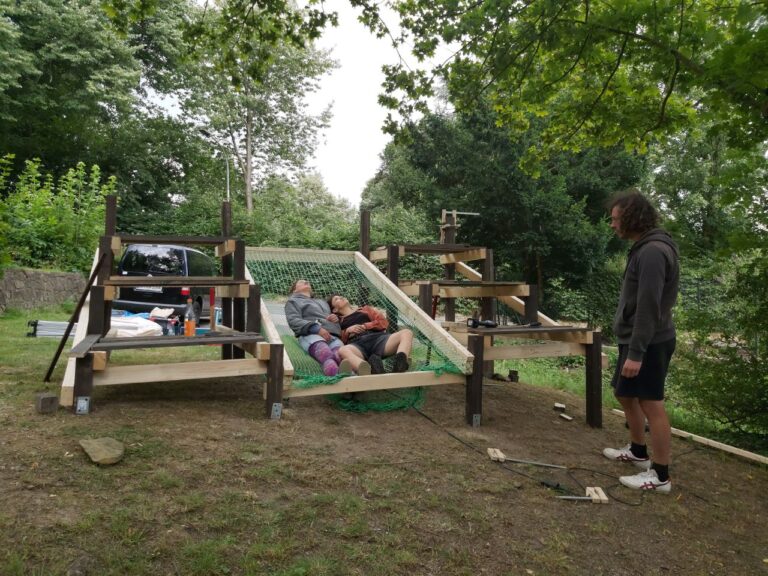
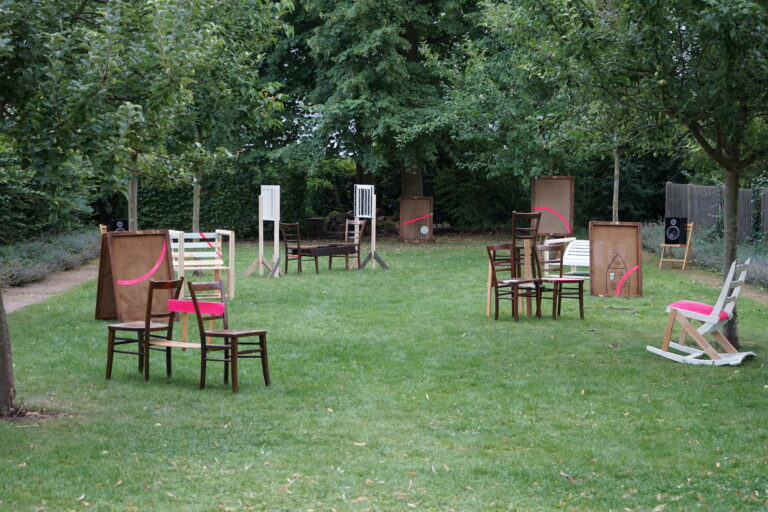
Project with Vlotho Stadtbesetzung Team : Lina Czapla, Bernadette Schnabel, Johannes Lievens
TRAILER https://youtu.be/qEsQBNTwBHM?si=inQtRaxR_V0rSSQV
More here : https://wendepunktedotblog.wordpress.com/
Fluctuations
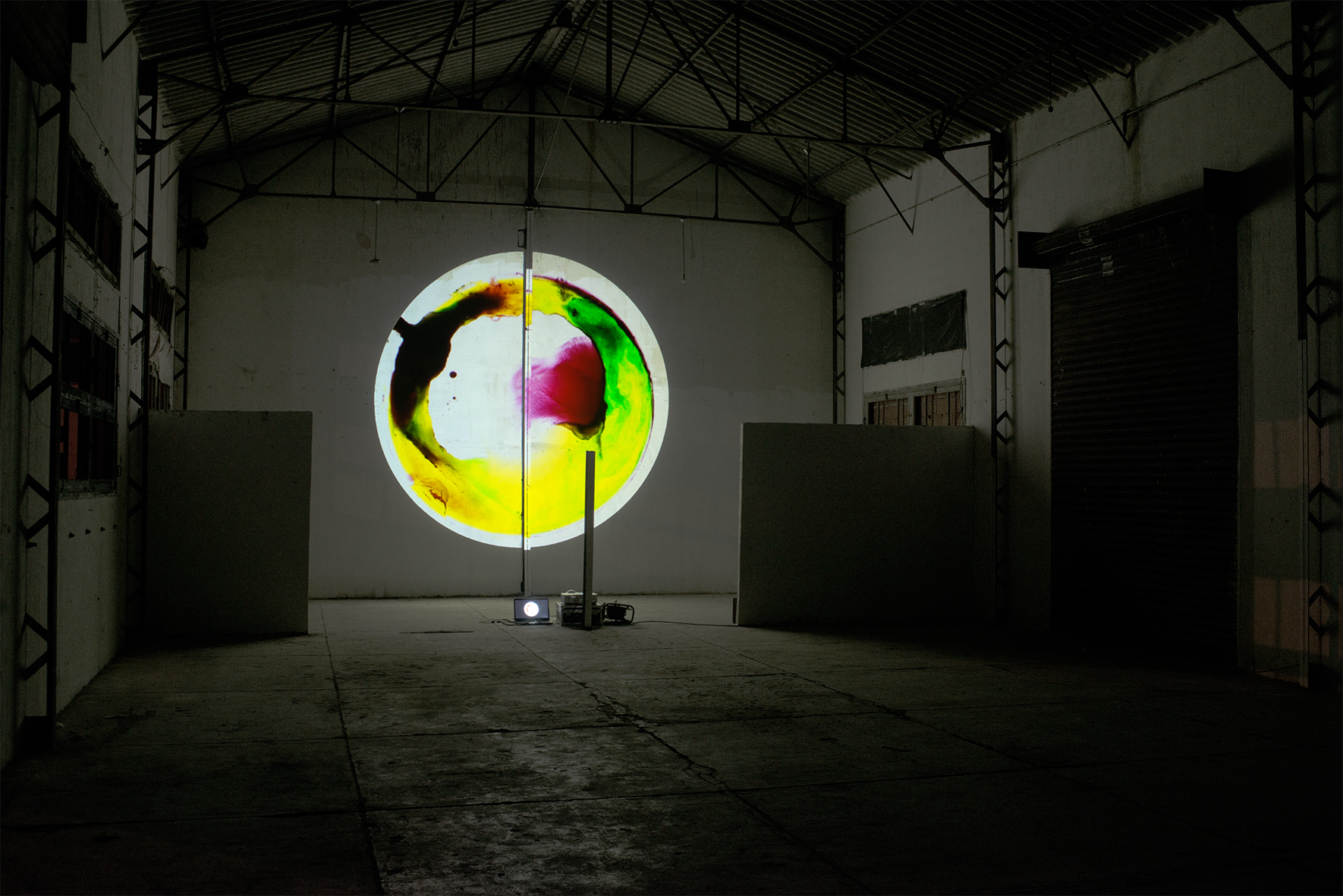
Khouloud Benzarti. SEE DJERBA Houmt Souk 2019. Photo Credit : DK
Made in the contexte of SEE DJERBA Young masters program 2019
Visuals by khouloud benzarti / Soundtrack by Without.papers_sound